
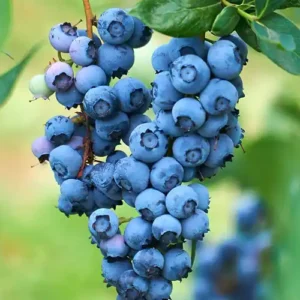
Bee-friendly trees
Blueberry
Blueberry
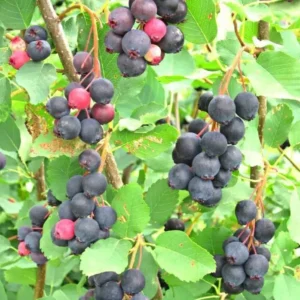
Blackcurrant
Blackcurrant
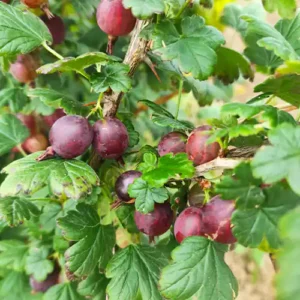
Gooseberry
Black Velvet gooseberry bush, self-fertile with very dark, sweet berries and exotic notes, best harvested soft in late July.
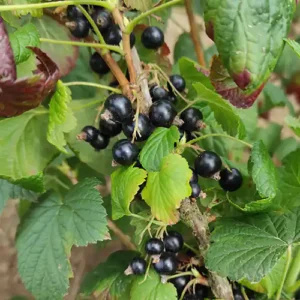
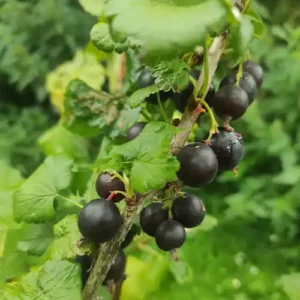
Blackcurrant
Blackdown blackcurrant bush, a late self-fertile variety with firm, sweet berries and regular production.
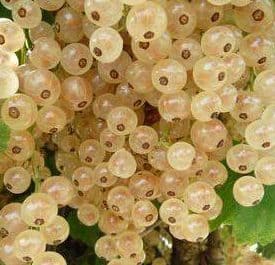
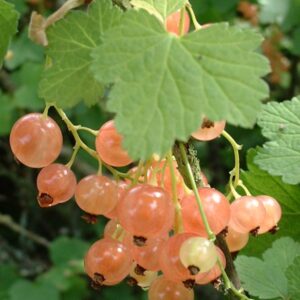
Redcurrant
Blanka white currant bush, self-fertile with long clusters of aromatic, tangy white berries and full powdery mildew resistance.
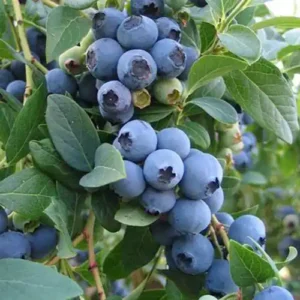
Blueberry
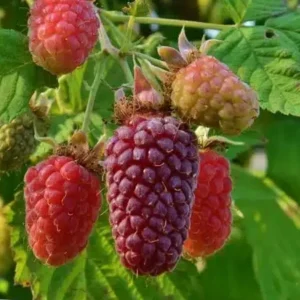
Raspberry
Buckingham tayberry plant, a blackberry–raspberry hybrid with dark red, raspberry-rich fruit harvested in July-August.
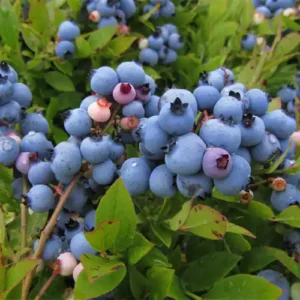
Blueberry
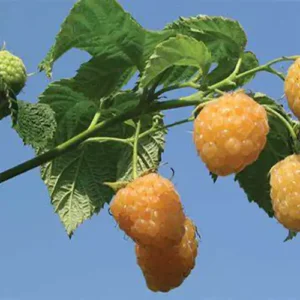
Raspberry
Raspberry
Raspberry
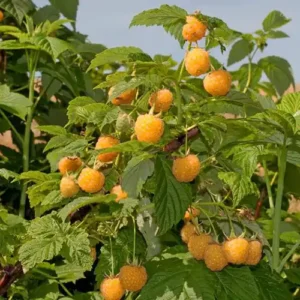
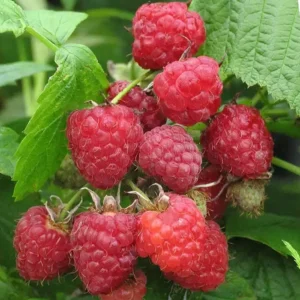
Heritage raspberry plant, an everbearing variety with generous crops of firm, flavourful red berries from June then August to October.
Redcurrant
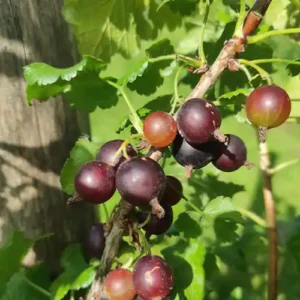
Blackcurrant
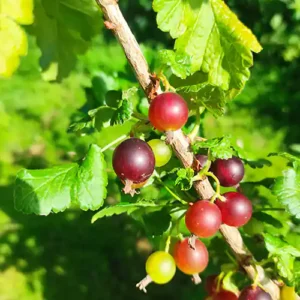
Josta jostaberry bush, self-fertile and thornless, with large tangy blackcurrant-like berries and strong disease resistance.
Redcurrant
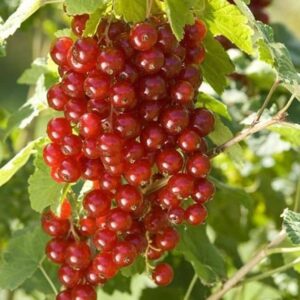
Junifer red currant bush, an early self-fertile variety with sweet red berries, good yield and easy production.
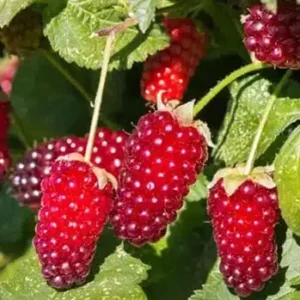
saskatoon plants
Raspberry
Loganberry hybrid berry plant, a blackberry–raspberry cross with very large elongated dark red fruits harvested in July-August.
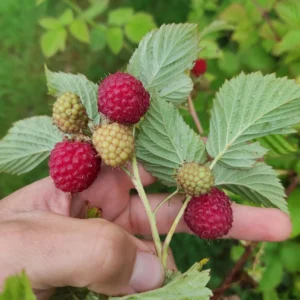
saskatoon plants
saskatoon plants
Raspberry
Meeker raspberry plant, a self-fertile summer-fruiting variety with a large July crop of big, flavourful red raspberries.
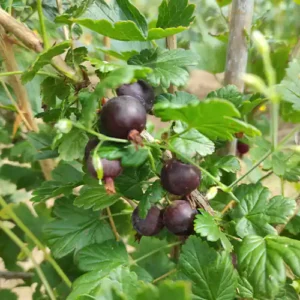
Gooseberry
Miel Noir gooseberry bush, self-fertile with large juicy black berries, sweet when fully ripe and harvested in early July.
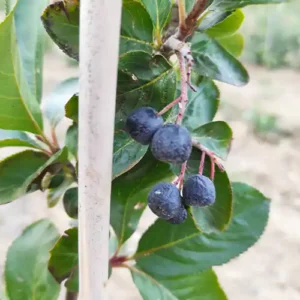
Aronia
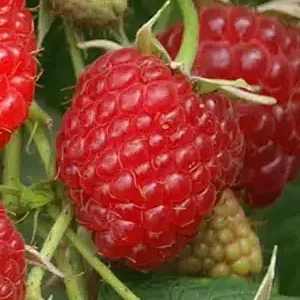
Raspberry
Polka raspberry plant, an everbearing Polish variety with firm, bright red, flavourful berries from June then August to October.
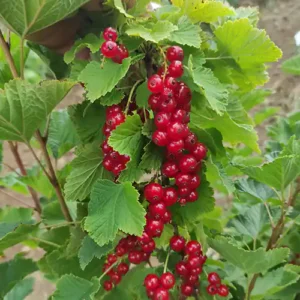
Redcurrant
Versaillaise Rouge red currant bush, an early self-fertile variety with large, glossy, sweet-tart berries.
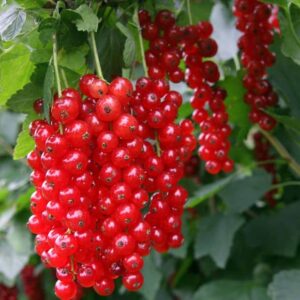
Redcurrant
Rovada red currant bush, a late self-fertile variety with long red clusters, good flavour and strong disease resistance.
saskatoon plants
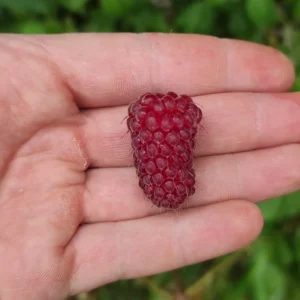
saskatoon plants
Raspberry
Tayberry hybrid berry plant, a thornless blackberry–raspberry cross with dark red fruit harvested in July-August.
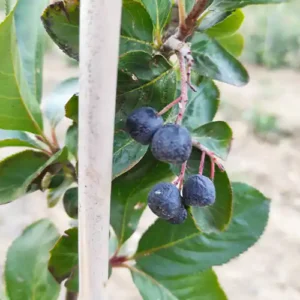
saskatoon plants
Aronia
Redcurrant
Versaillaise Blanche white currant, a late self-fertile variety with sweet, low-acid white berries when fully ripe.
How should you choose soft fruit plants?
The term soft fruit brings together plants with very different growth habits and cultivation requirements.
A raspberry produces canes that normally live for two seasons, a blackcurrant continually renews branches from its base, a blueberry requires genuinely acidic soil and a Saskatoon plant can eventually become a large shrub or small tree.
These plants should not all be placed within one uniformly prepared bed without considering their individual needs.
Soil type, available moisture, exposure, mature size and fruiting habit should be assessed before comparing flavour or advertised fruit size.
A carefully planned selection can provide several months of harvest from a relatively small area.
The objective is not simply to accumulate varieties, but to combine complementary plants whose fruit ripens at different times and whose pruning, training and harvesting requirements remain manageable.
Extend the harvest from late spring into autumn
The first soft fruits can begin ripening near the end of spring with several particularly early berries.
They are followed by Saskatoon berries, redcurrants, blackcurrants, gooseberries, summer raspberries, blueberries, blackberries, autumn raspberries and finally aronia or other late-ripening cultivars.
Exact dates vary according to country, climate, exposure and seasonal weather, but differences between species and cultivars remain large enough to create a genuine succession of harvests.
A long harvest period is not always preferable.
A cultivar ripening within a concentrated period is convenient for preserving, juicing or freezing a substantial quantity at once.
A variety ripening progressively is better suited to regular fresh picking for household use.
Harvest frequency must also be considered.
Fully ripe raspberries and blackberries may require picking several times each week, while blackcurrant clusters and aronia can normally be harvested over a more concentrated period.
Soft fruit harvest calendar
The calendar compares the relative harvest periods of the principal soft fruit species and cultivars.
Actual dates depend on country, exposure, pruning method, crop load and seasonal temperatures.
Autumn-fruiting raspberries may show two distinct periods where their canes are managed to provide an early summer crop followed by a second harvest later in the season.
Soil is the first reason to separate different soft fruits
Most raspberries, blackberries, blackcurrants, redcurrants and gooseberries prefer humus-rich soil that is slightly acidic to approximately neutral, retains moisture during growth and remains adequately drained in winter.
Aronia and Saskatoon plants are generally more adaptable.
They tolerate a broader range of soil textures and moisture levels, although fruit production is still better where the plants receive sufficient light, water and rooting depth.
Cultivated blueberries form a separate group.
Adding one bag of ericaceous compost to a hole within calcareous ground does not create a durable blueberry-growing environment.
The complete active root system must remain within an acidic, aerated and moisture-retentive medium supplied with water that does not gradually raise the pH.
Testing the soil before selecting the plants can prevent years of chlorosis, weak growth and disappointing blueberry crops.
Blueberries require a genuinely acidic growing area
Cultivated blueberries generally grow best at approximately pH 4.5 to 5.5.
When the pH rises substantially above this range, iron and several other nutrients become less available to the roots even when they are physically present within the soil.
Chlorosis then appears as yellow leaf tissue with greener veins.
Adding more fertiliser does not provide a lasting correction where the underlying cause is an unsuitable pH.
Where the natural soil is acidic, blueberries can be planted directly into a properly prepared bed.
In neutral or calcareous ground, it is often safer to create a completely dedicated and isolated acidic bed or to use large containers.
Irrigation water must also be considered.
Hard water rich in bicarbonates can gradually raise the pH of a correctly prepared substrate.
Blueberries require consistent moisture but should not remain continuously saturated, as lack of oxygen around their fine roots can cause rapid decline.
Sun, partial shade and fruit quality
Most soft fruit plants crop more heavily and accumulate more sugar in a sunny position.
Good light also improves fruit colour, allows foliage to dry more rapidly after rain and supports the formation of future flower buds.
Blackcurrants, redcurrants, gooseberries and several raspberries tolerate light partial shade.
This can be useful in an urban garden or a particularly warm region, but does not mean that dense shade is favourable.
In cool northern climates, reserve the brightest positions for blueberries, late blackberries and autumn-fruiting raspberries.
Insufficient sunlight can delay maturity and reduce sugar concentration.
Saskatoon plants can crop in partial shade, although production will normally be smaller.
Aronia also tolerates different exposures but provides more regular and concentrated fruit in full sun.
Pollination requirements vary considerably
Most raspberries and cultivated blackberries are self-fertile, so one cultivar can produce fruit.
Their flowers must still be visited effectively by insects to form complete and evenly filled berries.
Red, white and pink currants and most gooseberries are also generally self-fertile.
Blackcurrant behaviour depends more strongly on the cultivar.
Some varieties crop satisfactorily alone, while others benefit substantially from pollen supplied by a second cultivar flowering at the same time.
Many blueberries can set fruit with their own pollen, but another compatible variety normally improves fruit number, berry size and sometimes the speed of maturity.
Honeyberries require two genetically compatible cultivars with overlapping flowering periods.
Two different cultivar names do not always provide reliable compatibility where the plants are closely related.
It is therefore unnecessary to impose two plants of every species, but equally inaccurate to claim that all soft fruit plants crop reliably alone.
Summer-fruiting or autumn-fruiting raspberries?
This distinction does not simply describe an early or late cultivar.
It identifies which canes carry the fruit and directly determines how the planting should be pruned.
Summer-fruiting raspberries
Summer-fruiting cultivars crop principally during early or midsummer on canes formed during the previous growing season.
These second-year canes are called floricanes and die naturally after fruiting.
After harvest, remove the canes that carried fruit at ground level.
Retain, thin and tie in the new green primocanes because they will provide the following summer’s crop.
Cutting every cane to the ground during winter would remove the complete future summer harvest.
Autumn-fruiting raspberries
Autumn-fruiting cultivars crop on the upper section of canes produced during the current season.
Their principal harvest normally occurs from late summer into autumn.
The simplest pruning method is to cut every cane to ground level during winter.
The new canes then provide one late-season crop.
It is also possible to retain the lower section of canes that fruited in autumn.
These sections can produce an additional early-summer crop before the complete cane is removed.
This double-cropping system requires more sorting and keeps older canes and their potential diseases within the planting for longer.
Earliness matters for autumn raspberries in cool climates
Autumn-fruiting raspberry cultivars do not all begin producing at the same time.
A very late variety may start with a promising crop and then lose a substantial proportion of its potential as temperatures fall and autumn rainfall becomes more frequent.
In cool regions, a cultivar beginning its harvest early is often more useful than a supposedly highly productive variety whose crop is concentrated near the end of autumn.
A sunny position, a narrow productive row and controlled cane density also accelerate maturity.
An excessively wide and dense row produces many canes but creates more shade, smaller fruit and persistent humidity.
The harvest calendar should always be interpreted according to the pruning system.
An autumn-fruiting raspberry cut completely to the ground will not crop during the same periods as one managed for two harvests.
Blackberries and hybrid berries require support
Cultivated blackberries and hybrids between raspberry and blackberry generally produce long canes that must be separated into fruiting wood and young replacement growth.
On most traditional cultivars, canes formed during one year carry fruit during the next and then die.
Remove them after harvest while retaining and training the new canes onto their support.
A trellis is almost essential for trailing and semi-erect cultivars.
It keeps the fruit away from the soil, simplifies harvesting and distributes the foliage so that light can enter the row.
Primocane-fruiting blackberries also exist and produce on shoots formed during the current year.
They simplify pruning but often ripen relatively late.
In a cool climate, verify that the cultivar begins early enough to produce before autumn conditions deteriorate.
Root hardiness alone is not sufficient for conventional floricane-fruiting cultivars because the canes themselves must survive winter to provide the following crop.
Blackcurrants, redcurrants and gooseberries require different pruning
Blackcurrants
Blackcurrants crop particularly well on vigorous young branches produced during recent seasons.
An ageing shrub filled with thick dark wood gradually produces less fruit and becomes more difficult to harvest.
From approximately the fourth year, remove a proportion of the oldest branches at ground level during winter.
This encourages new basal shoots that progressively replace the ageing wood.
Do not shorten every branch tip indiscriminately.
Renewal from the base is normally more useful than pruning the shrub into a rounded shape.
Red, white and pink currants
These currants crop near the base of shoots formed during the previous year and on short fruiting spurs carried by older branches.
They can be trained as bushes or as cordons where space is limited.
Severe pruning that removes established fruiting spurs reduces the crop unnecessarily.
Maintain an open framework carrying numerous short fruiting laterals and renew only branches that have become weak or unproductive.
Gooseberries
Gooseberries crop on wood of different ages and benefit from an open centre.
This structure simplifies harvesting around the thorns and allows branches to dry more rapidly after rain.
Remove or lift low branches touching the ground.
They receive soil splash, obstruct picking and can root naturally where their tips remain in contact with moist soil.
Renew blueberries without removing all the fruiting wood
Blueberries carry fruit on shoots formed during the previous growing season.
The best berries normally develop on vigorous, well-lit and reasonably young wood.
During the first years, pruning should be limited to dead, broken and exceptionally weak growth.
As the bush ages, remove several older branches from the base to admit light and encourage strong replacement shoots.
A blueberry left without renewal can produce many small berries on a mass of fine and congested branches.
Excessively severe pruning removes a large proportion of the current season’s crop.
Crop load should remain balanced with plant vigour.
On a young and poorly established plant, removing some flowers can accelerate establishment rather than forcing the bush to support an early crop.
Saskatoon and aronia: two robust shrubs with very different fruit
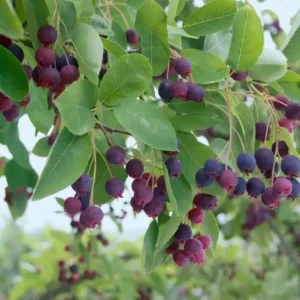
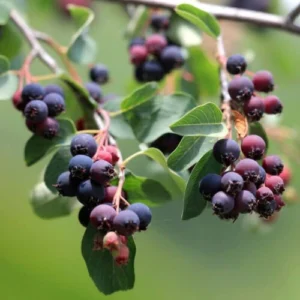
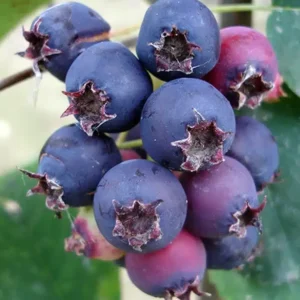
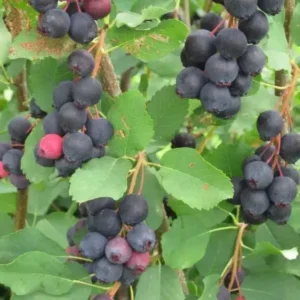
Saskatoon berries
Fully ripe Saskatoon berries can be eaten fresh.
Their flavour is sweet and may suggest blueberry, almond or cherry according to the species and cultivar.
The principal obstacle to harvesting is often competition from birds.
The berries become attractive before reaching their best eating maturity, and netting may be required where the crop is intended for human consumption.
Choose between compact fruiting cultivars and ornamental serviceberries that can become large shrubs or small trees.
Aronia
Aronia is an adaptable shrub that normally suffers from few serious diseases.
It can gradually form a broad colony through the production of suckers.
The fruit develops an intense colour but remains tannic and astringent when eaten alone.
It is generally more useful for juice, jelly, syrup, compote or blending with sweeter fruit.
Maturity should not be assessed from black colour alone.
The berries can become dark several weeks before reaching their highest sugar concentration and losing part of their hardness.
Water directly influences berry size and quality
Many soft fruit plants possess relatively shallow roots while carrying crops containing a high proportion of water.
Drought during flowering, fruit set or berry enlargement quickly reduces size and can interrupt the development of young shoots carrying the following crop.
Raspberries are particularly sensitive to irregular soil moisture.
Dry conditions during fruit enlargement produce small berries that detach poorly and restrict the growth of replacement canes.
Blueberries require consistent moisture within their shallow root zone but tolerate permanent saturation poorly.
The growing medium must retain useful water while remaining aerated.
Deep and reasonably spaced irrigation adapted to the soil texture is normally preferable to small quantities wetting only the surface.
A layer of mulch reduces fluctuations but does not replace direct monitoring of soil moisture.
Mulching is useful but must be adapted to the plant
A layer of mulch reduces weed competition, protects shallow roots and limits evaporation.
It is particularly useful around raspberries, blackcurrants and blueberries.
Do not accumulate the material against the crown, branch bases or raspberry canes.
Constant moisture around these tissues encourages decay and makes new shoots and early symptoms of decline more difficult to inspect.
Around blueberries, composted conifer bark and other acidic materials help maintain a favourable humus-rich surface layer.
They cannot correct a fundamentally calcareous soil on their own.
Around raspberries, the width of the productive row must also be controlled.
An unmanaged planting can quickly become a dense strip in which only the outer canes receive sufficient light.
Disease resistance must be considered species by species
It would be misleading to describe soft fruit plants as one naturally disease-free group.
Some species are exceptionally robust, while others become difficult when planted too densely or within unsuitable soil.
Raspberries can suffer from cane diseases, anthracnose, rusts and grey mould, especially within wide and humid rows.
Prompt removal of fruited canes and good airflow through the planting are central management measures.
Currants and gooseberries can develop powdery mildew, leaf spots and branch dieback.
Cultivar differences are important, particularly for susceptibility of young growth and fruit skin to powdery mildew.
On blueberries, unsuitable pH or root suffocation can produce more serious symptoms than a leaf disease.
Inspect the growing medium before attributing every decline in vigour to a fungal infection.
Aronia is generally highly robust.
Saskatoon plants can develop leaf spots, powdery mildew, rust and occasional diseases shared with other members of the rose family, while normally requiring less protection than highly susceptible tree fruits.
Spotted-wing drosophila changes the management of ripe berries
Spotted-wing drosophila, Drosophila suzukii, can lay eggs within fruit that is still attached to the plant and approaching maturity.
Raspberries, blackberries, blueberries and other thin-skinned berries can all be affected.
The first method of reducing losses in a garden is frequent harvesting.
Very ripe fruit should not remain on the plants for several days, and fallen or damaged berries should be removed.
An open and accessible planting can be harvested more completely.
An impenetrable row inevitably contains forgotten fruit that supports continuing pest populations.
Cool the harvest quickly where it will not be eaten or processed immediately.
Low temperatures slow deterioration and restrict the development of larvae that may already be present.
Protect fruit from birds without trapping wildlife
Birds can remove a large proportion of blueberries, currants and Saskatoon berries.
Early cultivars and isolated fruiting shrubs are often discovered very quickly.
Loose netting placed directly over a bush can become dangerous and remains difficult to lift repeatedly for harvesting.
A cage or supporting structure that keeps the net taut and securely closed near ground level is more effective and reduces the risk of trapping birds.
Install protection before the birds establish a feeding habit, but after the principal pollination period so that insects can continue reaching the flowers.
Frequent harvesting may provide sufficient protection for several raspberries and blackberries.
Saskatoon berries often require more complete protection where harvesting the fruit is the principal objective.
Harvest at the correct stage for the intended use
Fruit intended for fresh eating should generally reach full maturity.
It then contains more sugar and aroma but also becomes softer, more fragile and less suitable for storage.
Redcurrants and gooseberries intended for jelly can be harvested slightly before full maturity while acidity and natural pectin remain higher.
Blackcurrants should be fully dark and aromatic.
Several modern cultivars ripen uniformly enough for complete clusters to be removed, while others require more than one picking round.
A ripe raspberry detaches from its receptacle without requiring a strong pull.
A blackberry must be fully coloured, tender and aromatic.
A black fruit can still remain sharply acidic when picked too early.
Blueberries often continue accumulating sugar for several days after first turning blue.
Skin colour does not therefore always indicate the best eating stage.
Soft fruit has a naturally short storage life
Most berries possess thin skins and a high respiration rate.
They deteriorate rapidly when left warm, wet or compressed within a deep container.
Harvest dry fruit where possible and move it promptly into shade and then into cool storage.
Avoid washing before storage unless necessary, as residual surface moisture frequently accelerates mould development.
Raspberries and blackberries are particularly fragile.
Currant clusters and firm blueberries tolerate handling slightly better but should not be regarded as long-keeping fruit.
Freezing is an excellent solution for surplus crops.
The berries can first be frozen separately on a tray and then transferred to a container, preventing them from forming one solid block.
Which combination should you choose for your garden?
For the longest possible harvest
Combine an early-fruiting shrub, redcurrants or blackcurrants, several blueberries with complementary seasons, a summer raspberry and an early autumn-fruiting raspberry.
A mid-season blackberry can continue the harvest between summer and autumn.
For a small space
Redcurrants, white currants and gooseberries can be trained as cordons.
Raspberries remain productive within a narrow supported row when suckers spreading beyond the allotted area are removed.
For a lightly shaded garden
Blackcurrants, redcurrants, gooseberries and several raspberries tolerate partial shade more successfully than blueberries and late blackberries.
Expect a later or less sweet harvest where direct light remains limited.
For calcareous ground
Do not plant blueberries directly into the existing soil.
Choose currants, gooseberries, raspberries, aronia or Saskatoon plants suited to the conditions, or create a genuinely isolated acidic growing area.
For relatively low maintenance
Aronia and Saskatoon plants are among the simplest once established.
Currants and gooseberries also remain manageable.
Raspberries and blackberries require more regular pruning, training and harvesting.
For eating mainly fresh
Choose cultivars selected for sweetness, aroma, texture and their ability to remain sound on the plant.
The best characteristics for fresh eating are not always the same as those required for juice, jelly, freezing or mechanical harvesting.
Frequently asked questions about soft fruit plants
Can all soft fruit plants be grown in the same bed?
No. Blueberries require much more acidic soil than raspberries, blackcurrants, redcurrants and gooseberries. Their requirements for space, support, moisture and sunlight also differ.
Are two plants of every species required?
No. Raspberries, blackberries and most currants and gooseberries can crop alone. Two cultivars are recommended for blueberries and required for species such as honeyberry.
What is the difference between summer- and autumn-fruiting raspberries?
Summer raspberries crop on canes formed during the previous year. Autumn raspberries crop on canes produced during the current season and can be cut completely to ground level during winter.
Why do my raspberries produce many canes but little fruit?
The row may be too dense, shaded or rich in nitrogen. Incorrect pruning that removed the canes intended to fruit can also be responsible.
Why is my blueberry turning yellow?
The first factor to check is excessive soil pH, sometimes aggravated by hard irrigation water. Waterlogging and lack of oxygen around the roots can also cause weak growth and yellow leaves.
Can one blueberry cultivar produce fruit?
Many cultivars can crop alone, but combining two compatible varieties normally improves fruit number and berry size.
Why are my gooseberries covered with white growth?
Powdery mildew may be responsible. Susceptibility differs between cultivars and symptoms are encouraged by dense growth, tender shoots and poor airflow.
Why do birds eat Saskatoon berries before they taste ripe?
The berries become attractive to birds as soon as they begin colouring, before reaching their best eating maturity. Timely protection is normally required to preserve the crop.
Does aronia require annual pruning?
No. Remove dead wood and gradually renew several older branches only when the shrub becomes excessively dense.
How can larvae in raspberries and blackberries be reduced?
Harvest frequently, do not leave overripe fruit on the plants and remove fallen or damaged berries. These measures are particularly important for spotted-wing drosophila.
Can soft fruit plants be grown in containers?
Yes for many species, provided that the container is sufficiently large and watering is monitored carefully. Containers are especially useful for maintaining an acidic substrate around blueberries in a calcareous garden.
Which soft fruits tolerate partial shade?
Blackcurrants, redcurrants, gooseberries and several raspberries tolerate light partial shade. Blueberries, late blackberries and autumn raspberries normally produce sweeter and earlier fruit in full sun.
Which soft fruit plants require a trellis?
Most raspberries, blackberries and hybrid cane fruits are easier to manage on wires or another support. Currants and gooseberries can also be trained as cordons where space is restricted.
Should blueberries be planted in ericaceous compost?
Yes where it forms part of a complete and durable acidic growing area. One small pocket of acidic compost within calcareous soil is not sufficient for long-term cultivation.
Can tap water damage blueberries?
Hard water rich in bicarbonates can gradually raise the substrate pH and contribute to chlorosis. Rainwater is preferable where the mains water is strongly alkaline.
When should summer raspberry canes be removed?
Remove the canes that have carried fruit shortly after harvest. Retain the new green canes for the following year’s crop.
Can autumn raspberries provide two crops?
Yes. Retaining the lower part of the autumn-fruited canes can provide an additional early-summer crop, although this system requires more careful pruning and disease management.
Do blackberries ripen after picking?
Very little. A blackberry should be fully coloured, tender and aromatic before harvest. Black colour alone does not prove full maturity.
Why are my blueberries sour even though they are blue?
Many blueberries require several additional days on the bush after first turning blue to develop their best sugar concentration and flavour.
Should soft fruit be washed before storage?
Generally not until shortly before use. Residual moisture encourages mould and shortens the already limited storage life of most berries.
What is the easiest way to preserve surplus berries?
Freeze them first in one layer on a tray, then transfer the firm fruit to bags or containers. This prevents the complete harvest from freezing into one solid block.