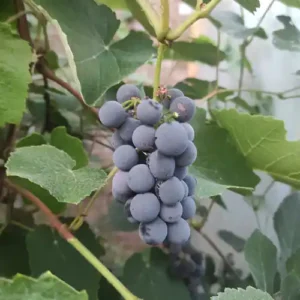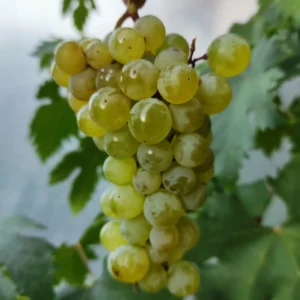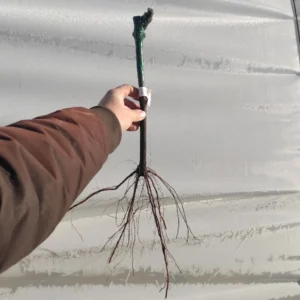
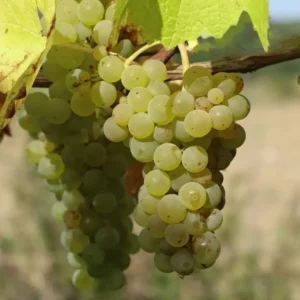
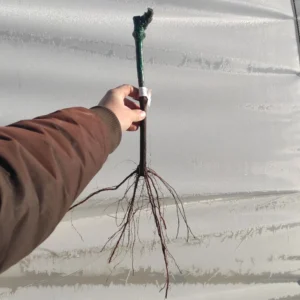
Pre-orders are open No payment today. Stock will be checked during the inventory in early August, then you will receive a payment link for the available trees.
Choosing the right grapevine

For reliable table grapes in a cool climate, begin with a sufficiently early cultivar suited to the local pressure from downy and powdery mildew. Then compare flavour, seeds, bunch structure, resistance to splitting and the rootstock used.

View harvest calendar Choose a rootstock

Grapevines

Grapevines

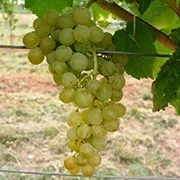
Bianca

Bianca grapevine, a hardy Hungarian white grape with juicy, aromatic berries, late budbreak and harvest in August.
From 9,50 

Grapevines

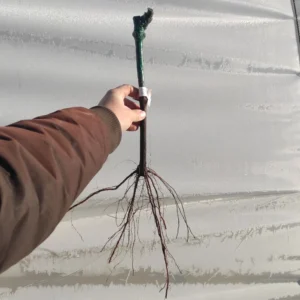
Calastra

A vigorous disease-resistant grape variety producing large crisp yellow berries with delicate fruity flavour.
From 9,50 

Grapevines

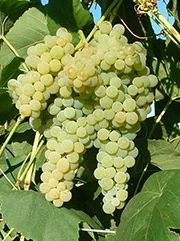
Himrod (seedless)

Himrod grapevine, a very vigorous seedless variety with sweet berries, raspberry aroma and strong mildew resistance.
From 9,50 

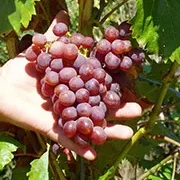
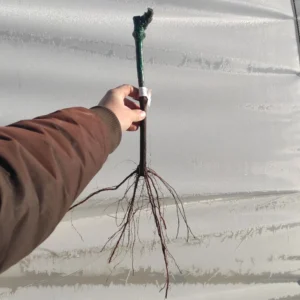
Lakemont grapevine, a vigorous seedless table grape with large sweet juicy clusters, thin skin and strong mildew resistance.
From 9,50 

Grapevines

Lidi

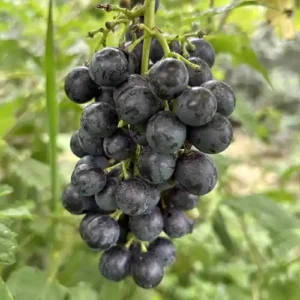
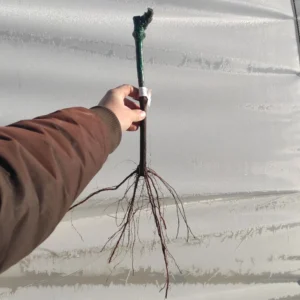
Lidi grapevine, a vigorous Hungarian pink grape with sweet, intense flavour, late budbreak and harvest in late August.
From 9,50 

Grapevines

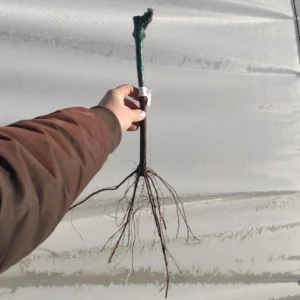
Muscat Bleu

Muscat Bleu grapevine, a vigorous Swiss blue table grape with crisp, spicy muscat berries and strong disease resistance.

From 9,50 

Grapevines

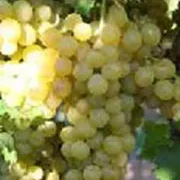
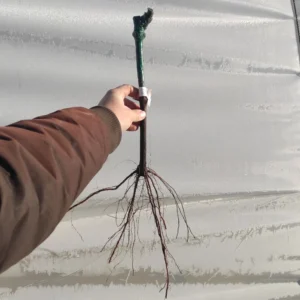
New York Muscat

New York Muscat grapevine, a vigorous blue grape with sweet muscat-flavoured berries and excellent mildew resistance.
From 9,50 

Grapevines

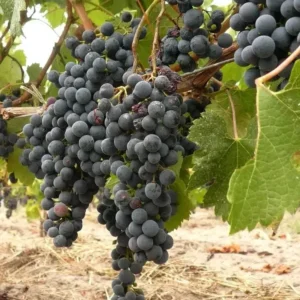
Palatina

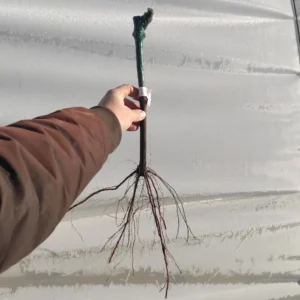
Palatina grapevine, a vigorous Hungarian white table grape with golden, sweet, fruity berries and strong mildew resistance.
From 9,50 

Grapevines

Solara

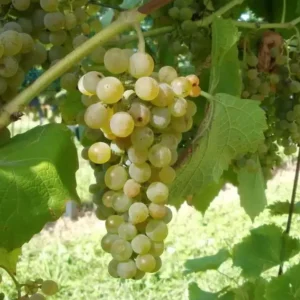
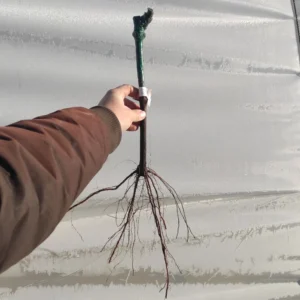
Solara grapevine, a vigorous dark blue grape with sweet oval berries, good acidity and strong mildew resistance.
From 9,50 

Grapevines

Solaris

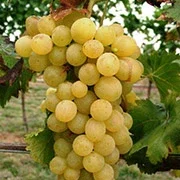
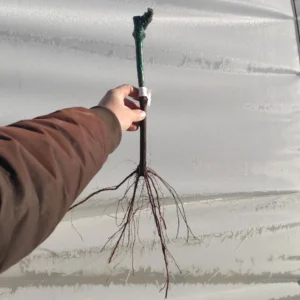
Solaris grapevine, a vigorous white grape with fruity, sweet berries, suitable for fresh eating, juice and wine.
From 9,50 

Grapevines

Suzi

Suzi grapevine, a rare seedless Hungarian variety with very large bunches, sweet fruity berries and strong mildew resistance.

From 9,50 
Autumn 2026

Grapevines

Isabelle

A vigorous hybrid grapevine producing aromatic dark grapes with distinctive strawberry-like flavour.
From 9,50 
Autumn 2026

Grapevines

Reliance

A vigorous seedless grape variety producing very sweet berries with a delicate strawberry aroma and excellent disease resistance.
From 9,50 
Autumn 2026

Grapevines

Romulus (seedless)

Romulus seedless grapevine, with sweet seedless grapes and a pleasant mango aftertaste, harvested in September north of the Loire.

From 9,50 
Autumn 2026

Grapevines

Somerset Seedless

A very hardy seedless grape variety producing sweet juicy berries with a muscat-apricot aroma.
From 9,50 

How should you choose a table grape vine?

The choice of a grapevine should not begin with berry colour or the advertised size of the bunches. In a garden, success depends first on whether the grapes can ripen in the local climate, the cultivar’s susceptibility to disease and the way in which the vine will be trained and pruned.

A cultivar carrying very large bunches may prove disappointing when it ripens too late, splits after rain or requires regular protection from downy and powdery mildew. A less spectacular but early, aromatic and relatively disease-resistant grapevine often produces a greater quantity of fruit that can actually be harvested and eaten.

Winter hardiness and early fruit maturity are different characteristics. Some vines tolerate extremely cold winters yet require a long, warm summer before their grapes lose their excessive acidity.

In cool parts of Europe, the best cultivar is therefore not necessarily the hardiest or the one producing the largest berries. It is the grapevine that combines sufficiently early maturity, suitable disease resistance, good behaviour in wet weather and an eating quality that meets the gardener’s expectations.

Traditional European grape or disease-resistant cultivar?

Traditional cultivars of Vitis vinifera

Most traditional European table grapes belong to Vitis vinifera. This species includes an immense diversity of white, pink, red and black grapes, with flavours ranging from mild and neutral to intensely Muscat-scented.

The best traditional cultivars may offer fine skin, pleasant flesh and a highly distinctive aroma. They evolved without the North American pathogens responsible for downy and powdery mildew, which were introduced into Europe much later.

Susceptibility varies between cultivars, but most traditional Vitis vinifera grapes do not possess strong genetic resistance to these diseases. In a humid climate, they may therefore require regular monitoring and protection to maintain healthy foliage and bunches.

Older interspecific hybrids

Following the major vineyard crises of the nineteenth century, European grapes were crossed with North American and Asian vine species to introduce improved resistance to downy mildew, powdery mildew, winter cold or phylloxera.

Some of these older hybrids are exceptionally vigorous, productive and early ripening. Their grapes may nevertheless have smaller berries, thicker skins or distinctive flavours suggesting strawberry, sweets or wild fruit.

These aromas are not necessarily undesirable. They can be excellent for home consumption, but they should be described accurately so that the gardener does not expect the flavour of a traditional European Muscat grape.

Modern disease-resistant cultivars

Modern breeding programmes aim to retain a high proportion of Vitis vinifera ancestry while introducing resistance factors from other grape species.

The most successful selections can now produce large table grapes, sometimes seedless, with flavours close to traditional European cultivars and a substantial reduction in susceptibility to downy or powdery mildew.

The degree of resistance remains specific to each cultivar. A grapevine may be highly resistant to downy mildew, moderately resistant to powdery mildew and still susceptible to black rot or grey mould.

Disease resistance should therefore be evaluated disease by disease rather than summarised with the single word “resistant”.

Why have different grape species been crossed?

Introducing resistance to downy and powdery mildew

Several American and Asian vine species evolved in the presence of the pathogens responsible for downy and powdery mildew. They possess defence mechanisms that are absent or uncommon in traditional European grapes.

Crossing allows these mechanisms to be introduced into cultivars whose fruit remains pleasant to eat and whose growth is suited to European gardens and vineyards.

Improving winter hardiness

Species such as Vitis amurensis and several North American vines tolerate much colder winters than most Mediterranean cultivars.

This hardiness is valuable in continental regions, but does not by itself guarantee early ripening or good resistance to diseases affecting the bunches.

Producing table grapes that are easier to grow

Breeding programmes also select for looser bunches, skins that resist splitting, larger berries, reliable fertility, improved post-harvest quality and a more manageable growth habit.

Disease resistance is therefore only one characteristic among many. A highly resistant cultivar that is bland, excessively late or unsuitable for fresh eating does not meet the needs of a gardener seeking high-quality table grapes.

A resistant grapevine is not an immune grapevine

Resistance factors associated with downy mildew are commonly identified by the abbreviation Rpv. Those associated with powdery mildew are generally described as Run or Ren factors.

A cultivar may possess one or several of these factors. Combining several resistance mechanisms, sometimes known as pyramiding, aims to make it more difficult for the pathogen to overcome the plant’s defences.

This does not make the vine invulnerable in every climate and every season.

Symptoms may appear under exceptionally high disease pressure, when a resistance mechanism protects foliage more effectively than bunches or when a pathogen population overcomes a particular genetic factor.

Resistant cultivars should still be observed. Their main advantage is a major reduction in disease risk and the need for intervention, not an absolute guarantee that every leaf and bunch will remain completely unmarked.

Good hygiene, an open canopy and balanced vigour remain important. Genetics cannot compensate for a permanently damp position or a mass of excessively dense foliage.

Downy and powdery mildew develop differently

Downy mildew

Grapevine downy mildew is caused by Plasmopara viticola. It infects green tissues when moisture, suitable temperatures and water on the surface of the plant occur together.

Leaves often develop yellowish or oily-looking patches, followed by white sporulation on their lower surface. Young inflorescences and bunches may also be infected and subsequently dry out.

Severe infection reduces the functioning leaf area and prevents the vine from feeding and ripening its grapes correctly.

A cultivar that retains healthy foliage therefore has a direct advantage in humid regions, even when the fruit itself has not been visibly infected.

Powdery mildew

Powdery mildew, caused by Erysiphe necator, produces a grey-white coating on leaves, shoots and berries.

Unlike downy mildew, it does not require direct rain or free water to infect the vine and can become severe during warm, cloudy periods.

Berries infected at an early stage stop developing correctly. Later infection can weaken their skin so that it splits as the pulp continues to expand, allowing secondary rots to enter.

A cultivar that resists downy mildew but remains susceptible to powdery mildew may therefore still require careful observation. The two resistance levels should be considered separately.

Black rot and grey mould remain important

Black rot can infect leaves, shoots and young berries. The affected fruit eventually shrivels into hard black mummies that may remain attached to the bunch.

A cultivar described as resistant to downy and powdery mildew may remain vulnerable to black rot. The disease is particularly important where infected berries or mummified bunches remain in the vine from one season to the next.

Grey mould, caused by Botrytis cinerea, is strongly influenced by bunch structure.

A very compact bunch retains moisture, restricts airflow and creates small wounds as expanding berries press against one another.

Loose bunches, sufficiently strong skins and resistance to splitting are consequently valuable characteristics in a humid climate, even in cultivars carrying genetic resistance to the two principal mildews.

Early ripening is essential in cool European climates

The dormant wood of a grapevine can often tolerate much colder winters than the fruiting season might suggest. The greater difficulty is usually bringing the grapes to full maturity before declining autumn temperatures and light levels slow their development.

An early cultivar accumulates sugar and loses part of its acidity during the warmest period of summer. It can also be harvested before the wetter and foggier conditions of autumn increase the risk of splitting and rot.

A late cultivar may develop its full skin colour while remaining acidic, herbaceous and poorly aromatic. Berry colour does not prove that ripening is complete.

In a cool region, it is generally more useful to combine several early and mid-season cultivars than to select an extremely late grape solely to prolong the theoretical harvest.

View the grape harvest calendar

Harvest periods are intended principally for comparing cultivars. Actual dates vary according to country, region, exposure, rootstock, crop load and seasonal temperatures.

Grapes do not truly ripen after picking

Grapes are non-climacteric fruit. Unlike pears or kiwifruit, they do not continue a genuine ripening process that allows them to accumulate additional sugar after harvest.

A bunch picked too early may soften or lose a little acidity during storage, but it will not develop the sweetness, aroma and balance of grapes left on the vine until sufficiently mature.

Wait until the berries taste pleasant rather than harvesting according to colour alone.

Taste several berries from different parts of a bunch. Grapes at the tip or within a dense bunch may be less advanced than those exposed to greater light.

White, pink, red or black grapes: colour does not describe flavour

Berry colour depends mainly on pigments within the skin. It does not predict sugar concentration, skin thickness, acidity or the intensity of the aroma.

A white grape may be exceptionally aromatic and Muscat-scented, while a black grape may have a mild and relatively neutral flavour.

Two cultivars with berries of the same colour can therefore provide completely different eating qualities.

Strongly coloured grapes require sufficient light to develop their characteristic pigmentation. Excessively dense foliage may produce paler berries that are also less sweet and aromatic.

Do not expose previously shaded bunches suddenly during intense heat. Leaf removal should remain gradual and moderate to avoid sunburn on the berries.

Muscat, neutral and strawberry-like flavours

Muscat-flavoured grapes

The Muscat aroma is floral, fresh and immediately recognisable. It may occur in white, pink, red or black grapes.

Its intensity depends on the cultivar and on maturity. A Muscat grape picked too early may already be crisp and moderately sweet without having developed its characteristic perfume.

Neutral-flavoured grapes

A neutral flavour does not necessarily mean that the grape is bland. The best cultivars provide a satisfying balance between sugar, acidity, juiciness and texture without a dominant Muscat aroma.

They are often excellent for regular fresh consumption, particularly where the skin is fine and the seeds are not intrusive.

Distinctive flavours inherited from hybrid ancestry

Some interspecific cultivars possess aromas suggesting strawberry, red berries, sweets or wild fruit.

These flavours result from their genetic ancestry and remain present when the grapes are fully ripe. They should not be confused with deterioration or the beginning of fermentation.

Seeded or seedless grapes?

Seeded cultivars

Seeded grape cultivars often combine large berries, reliable natural fertility and pronounced flavours.

The seeds can nevertheless be inconvenient for customers seeking grapes that can be eaten without interruption.

The number and size of the seeds vary. Some cultivars contain only one or two relatively small seeds, while others contain several large and hard seeds.

Seedless cultivars

Most seedless table grapes are stenospermocarpic. Pollination and fertilisation occur, after which the embryo and seed stop developing at an early stage.

Small, soft seed traces may remain inside the berry. The description “seedless” does not always guarantee that absolutely no trace of a seed can be detected.

Seedless cultivars often produce naturally smaller berries than seeded grapes.

The exceptionally large seedless grapes sold commercially may have received specialised thinning and growth-management techniques that are neither necessary nor always available in a home garden.

In a cool region, earliness and reliable ripening should take priority over the maximum advertised berry size.

One grapevine can normally produce fruit

Most cultivated grape varieties possess hermaphrodite flowers containing functional male and female organs. A single vine can therefore normally set bunches without another cultivar nearby.

Planting several cultivars remains useful for extending the harvest and comparing different flavours, but improved cross-pollination is not normally the main reason.

A small number of wild species and older cultivars possess functionally female flowers and require compatible pollen. This should be stated clearly on the individual product page.

Seedless grapes do not require a separate pollinator. In most seedless cultivars, fertilisation occurs before the developing seed aborts.

Why do some bunches contain berries of different sizes?

Grapevine flowering occurs over a relatively short period and remains sensitive to weather conditions.

Cold, rain, prolonged cloud, excessive heat or vigorous shoot growth may interfere with fertilisation.

Coulure describes the dropping of flowers or very young berries after poor fruit set, leaving a loose and incomplete bunch.

Millerandage produces a mixture of normal berries and smaller berries that may be seedless or ripen at a different rate.

These effects depend on cultivar and climate, but also on the balance of the vine. Excessively vigorous growth competes with the flowers and may increase irregular fruit set.

The rootstock primarily protects against phylloxera

Phylloxera is an insect that attacks the roots of European grapevines. Its introduction during the nineteenth century destroyed a large proportion of Europe’s vineyards.

Grafting Vitis vinifera cultivars onto resistant rootstocks derived from American grape species allowed European vineyards to be replanted.

The upper part of the plant continues to produce the grapes of the selected cultivar, while the rootstock forms the root system.

A European grapevine growing on its own roots may appear healthy for several years before declining under phylloxera pressure. A grafted plant therefore remains the standard choice for a durable European planting.

The rootstock also influences vigour, water uptake, adaptation to lime, maturity and sometimes bunch compactness or berry size.

Which rootstock should be chosen for a grapevine?

Rootstock choice should be based on soil characteristics rather than the idea that one rootstock is universally superior.

Active lime, soil depth, moisture, fertility and drought risk are more informative than the appearance or colour of the surface soil.

101-14 MGt

101-14 MGt generally gives low to moderate vigour and can favour relatively early maturity.

It suits deep, moisture-retentive, clay or loamy soils containing little active lime.

It is sensitive to drought and lime-induced chlorosis and is therefore risky in shallow, dry or strongly calcareous ground.

In fertile, non-calcareous soil, its moderating effect on vigour can help prevent excessive foliage and delayed ripening.

3309 Couderc

3309 C normally provides low to moderate vigour and relatively balanced growth.

It suits deep sandy-clay and loamy-clay soils containing little active lime.

It tolerates neither severe drought nor long periods of waterlogging particularly well and should not be chosen for shallow soil or sites where water regularly remains around the roots.

Its moderate vigour can support good fruit maturity when the soil matches its requirements.

SO4

SO4 is widely used and suits many moderately fertile lowland soils, including sandy and moderately calcareous clay soils.

It is not suitable for exceptionally dry, severely chlorosis-inducing or strongly compacted ground.

It may also contribute to magnesium deficiency or stalk drying where soil and nutrition are unfavourable.

It is a versatile rootstock, but its widespread use does not remove the need to assess soil texture, moisture and active lime.

Gravesac

Gravesac performs particularly well in acidic soils and tolerates temporary excess moisture in spring.

It may also suit sandy or gravelly ground.

Its tolerance of active lime remains low, so it should not be used to solve a chlorosis problem in alkaline soil.

It normally provides moderate to strong vigour, requiring appropriate pruning and crop management.

Fercal

Fercal is particularly valuable in soils containing high levels of active lime and possesses one of the strongest tolerances of lime-induced chlorosis among commonly used grapevine rootstocks.

It can tolerate some spring moisture and has moderate to good drought tolerance where the root system can penetrate deeply.

It may produce moderate to strong vigour and can be associated with magnesium deficiencies.

In a cool climate, excessive vigour must be controlled so that dense foliage does not delay fruit maturity.

41 B

41 B also provides excellent tolerance of active lime and has traditionally been used in difficult calcareous soils.

It can delay maturity and may contribute to more compact bunches, which deserves particular attention for table grapes grown in cool and humid conditions.

It is also vulnerable to prolonged waterlogging and severe water stress. Its use is most justified where lime-induced chlorosis represents a genuine constraint.

110 Richter and vigorous rootstocks for dry ground

110 R is well adapted to dry, poor, stony and freely drained soils.

It provides strong vigour and tends to delay the vegetative cycle and fruit maturity.

It is highly sensitive to excessive soil moisture. In fertile or moisture-retentive northern soils, it may produce too much vegetation and unnecessarily delay the grapes.

It should be reserved for sites where its drought tolerance provides a genuine advantage.

Read our guide to grapevine and fruit-tree rootstocks

Grapevine rootstocks do more than control size

Grapevines do not possess a standard range of dwarfing rootstocks comparable with those used for apple trees.

Every combination still requires annual pruning and a permanent support.

A low- or moderate-vigour rootstock may nevertheless make the canopy easier to manage and help advance maturity.

A more vigorous rootstock may be necessary in poor, shallow or drought-prone ground.

A rootstock that is too vigorous in fertile soil produces long shoots, excessive shade and bunches that ripen more slowly. It also maintains greater humidity within the foliage.

The correct rootstock is the one that balances the cultivar in the soil concerned, not simply the one that produces the strongest growth.

Where should a table grape vine be planted?

Choose a sunny, warm and well-ventilated position. Leaves and bunches should receive direct light for a substantial part of the day.

A gentle slope or slightly elevated position is preferable to a hollow in which cold air and humidity collect.

A south- or south-west-facing wall can increase the available warmth and allow more demanding cultivars to ripen.

Leave sufficient space between the leaves and the wall for air to circulate. A vine enclosed beneath a damp roof or inside an unventilated corner may suffer greater powdery mildew and rot despite the accumulated heat.

In the coolest locations, reserve late cultivars for the best-exposed walls while using early grapes on open trellises.

Which soil suits a grapevine?

Grapevines can adapt to many soils through rootstock selection, but they tolerate prolonged oxygen deprivation poorly.

Deep soil allows the roots to find moisture during summer. Excessive nitrogen fertility can, however, produce excessive growth at the expense of fruit ripening.

Active lime may cause iron chlorosis, characterised by yellow leaves with veins that remain greener.

Where the rootstock is unsuitable for the soil, adding iron may improve the appearance temporarily without correcting the underlying problem.

Before a significant planting, analysis of pH and active lime is considerably more useful than judging the soil solely by its colour or the presence of white stones.

A grapevine requires a strong permanent support

A mature grapevine produces several metres of new growth each year and may carry a substantial weight of fruit.

A simple stake is sufficient only during the initial formation of the trunk.

Vertical trellising

One or more permanent arms are trained horizontally along wires while the fruiting shoots grow vertically.

This arrangement makes pruning, tying, leaf removal, ventilation and harvesting easier.

It is particularly useful in cool and humid gardens where light penetration and rapid drying of the foliage are priorities.

Pergola training

A pergola creates summer shade and makes use of the natural vigour of the vine. It can support a substantial crop where the shoots are regularly spaced.

An excessively dense canopy creates a dark and humid ceiling. Grapes become less sweet, diseases are more difficult to monitor and the fruit may be inconveniently high.

Training against a wall

An espalier makes use of heat from the wall while keeping the bunches accessible.

The branches and leaves should remain sufficiently far from the masonry to prevent persistent humidity.

This form is particularly useful for cultivars requiring extra warmth, but demands regular pruning and tying.

Grapes develop on shoots arising from the previous year’s wood

Bunches appear on new shoots that grow in spring from buds carried on canes formed during the previous season.

Old wood creates the permanent structure of the vine, but does not carry the bunches directly.

Each winter, a calculated quantity of one-year-old wood must therefore be retained while most of the remaining canes are removed.

An unpruned vine gradually produces numerous small and shaded shoots, with bunches located far from the main structure or in positions that are difficult to harvest.

Conversely, pruning away all of the previous season’s canes removes the buds that should have produced the next crop.

Short or long grapevine pruning?

Short spur pruning

Short pruning retains spurs carrying approximately two or three buds.

It suits cultivars whose buds near the base of the cane are sufficiently fertile.

This system creates a simple permanent framework and makes annual pruning relatively quick, but it should not be applied automatically to every cultivar.

Long cane or Guyot-type pruning

Long pruning retains one or more canes carrying a greater number of buds, together with short renewal spurs.

It is better suited to cultivars whose first basal buds have limited fertility.

Pruning these cultivars too short may produce strong leafy shoots without bunches.

Where basal-bud fertility is unknown, retaining a longer fruiting cane is generally the safer initial choice. The results can then be observed and the system simplified if the lower buds prove sufficiently fertile.

Most of the new wood is removed each winter

The natural vigour of a grapevine often surprises new growers. Correct pruning normally removes most of the canes produced during the previous season.

This does not weaken a healthy vine. It concentrates growth into a reasonable number of shoots and bunches.

Pruning too lightly leaves too many buds, which then produce numerous weak shoots, small bunches and an almost impenetrable canopy.

The quantity of retained wood must correspond to the vigour of the plant. A weak vine should not be expected to support as many buds as one that produced several long and well-ripened canes.

Summer canopy management determines grape quality

In spring, several shoots may emerge from the same position or from unwanted buds on the trunk.

Remove unnecessary shoots while they are still tender, leaving a regularly spaced canopy.

Tie the retained shoots to their support before wind or the weight of the bunches can break them.

Excessive lateral shoots may be shortened, but sufficient healthy leaf area must remain to feed and ripen the crop.

Moderate leaf removal around the bunches improves airflow and makes harvesting easier.

Carry out this work progressively so that previously shaded grapes are not suddenly exposed to intense sunlight and heat.

Limit the number of bunches in cool situations

A vine can form more bunches than it is capable of ripening properly. This is particularly common on young plants and naturally fertile cultivars.

Overcropping delays maturity, reduces sugar, maintains excessive acidity and may prevent the canes from maturing properly before winter.

Small, late bunches and those carried by weak shoots can be removed after fruit set.

The remaining crop then receives a larger share of the light and resources available to the vine.

In a cool climate, a moderate quantity of fully ripe grapes is more valuable than an abundance of acidic bunches that autumn conditions will not allow to finish ripening.

Excess nitrogen is often more troublesome than insufficient fertiliser

A heavily fertilised vine produces long shoots, large leaves and a canopy that is difficult to control.

This appearance of vigour does not guarantee a better crop.

Shade within the foliage delays maturity and maintains humidity around the bunches. Soft, rapidly growing tissues may also be more susceptible to several diseases.

In normally fertile garden soil, fertiliser applications should remain moderate.

The length of the shoots, foliage colour, crop load and maturity of the canes provide more useful information than the pursuit of maximum growth.

Where a vine grows strongly without producing, examine the pruning method, exposure and fertility of the retained buds before applying more nitrogen.

Water availability should remain reasonably consistent

A mature, well-rooted vine tolerates some drought, but table grapes require more water where large and juicy berries are desired.

Severe drought reduces berry size and may temporarily interrupt ripening.

A sudden large supply of water after a dry period can then increase splitting in susceptible cultivars.

Young vines should be watered during establishment. Deep and relatively infrequent watering is preferable to small quantities wetting only the soil surface.

Avoid repeatedly wetting the leaves and bunches, particularly late in the day, as this extends the period favourable to disease.

Why do grapes split before harvest?

Splitting frequently follows heavy rain or abundant irrigation after a period during which the berries experienced drier conditions.

The berry absorbs water rapidly, the pulp expands and the skin may be unable to accommodate the increase in volume.

Susceptibility differs greatly between cultivars. Large thin-skinned berries and compact bunches may be particularly vulnerable.

Cracks allow grey mould, sour rot, wasps and other microorganisms to colonise the fruit.

Consistent water availability, a balanced crop and selection of a cultivar with good resistance to wet-weather splitting are the principal preventative measures.

How can ripe grapes be recognised?

The most reliable assessment of grape maturity is tasting.

Sugar should be sufficiently high, but acidity, aroma and skin texture are equally important.

The berries develop the characteristic colour of the cultivar and the seeds of seeded varieties usually become brown and harder.

The bunch stalk may begin to lose its very green and herbaceous appearance.

Some white grapes develop a yellow or amber tone on their sunny side, while others remain green even when fully ripe.

A berry that has changed colour but retains a strongly herbaceous or acidic taste should remain on the vine. It will not become significantly sweeter once the bunch has been cut.

Harvesting and storing table grapes

Cut each bunch with secateurs while retaining a short section of stalk. Pulling the bunch may detach berries or damage the cane.

Harvest when the grapes are dry. Wet bunches store poorly and develop rot more readily.

Grapes intended for storage must be completely healthy and free from split, crushed or mouldy berries.

Remove any damaged berries carefully without injuring their neighbours.

Store bunches in a cool place inside ventilated packaging or shallow containers, avoiding heavy stacking that crushes the lower berries.

Storage life varies greatly by cultivar. Grapes with thin skins and very juicy flesh are normally intended for prompt consumption, while firmer cultivars with loose bunches may keep for longer.

Which grapevine should you choose?

For a cool or northern European climate

Choose an early or mid-season cultivar with good downy mildew resistance, useful tolerance of powdery mildew and reliable behaviour in wet weather.

For growing with minimal disease control

Choose an interspecific or modern resistant cultivar whose behaviour against downy and powdery mildew is clearly documented. Also check black rot, grey mould and splitting susceptibility.

For a traditional European grape flavour

Choose a cultivar of Vitis vinifera or a modern resistant selection whose flavour remains close to this species. Traditional cultivars may require more careful disease management in humid regions.

For a strongly aromatic grape

Choose either a Muscat-flavoured cultivar or a hybrid with strawberry and wild-fruit aromas. These are distinct flavour profiles and should be selected according to personal preference.

For seedless table grapes

Choose a seedless cultivar that ripens sufficiently early for the local climate. Check its natural berry size and whether small seed traces may remain.

For covering a pergola

A vigorous cultivar may be useful provided that it remains sufficiently early and disease-resistant. Regular shoot thinning will be required to prevent an excessively dark and humid canopy.

For calcareous soil

Rootstock choice becomes a priority. Fercal and 41 B are among the most tolerant of active lime, while 101-14 MGt, Gravesac and 3309 C are poorly suited to strongly chlorosis-inducing ground.

Frequently asked questions about table grape vines

Can table grapes be grown in cool European climates?

Yes. Choose a sufficiently early cultivar, provide a sunny position and select a disease-resistance profile suited to the local climate. A late grapevine may survive winter perfectly while failing to ripen its fruit.

Are two grapevines required to obtain grapes?

No, in most cases. Cultivated grapevines normally possess hermaphrodite flowers and can set fruit with their own pollen.

Does a seedless grapevine require a pollinator?

No. In most seedless cultivars, fertilisation takes place before the developing seed aborts. Seedlessness does not normally result from a lack of pollination.

Does a disease-resistant cultivar never require attention?

Resistance greatly reduces risk but does not necessarily protect against every disease or every strain of downy and powdery mildew. The vine should still be observed and maintained with an open canopy.

Why does my grapevine grow strongly without producing bunches?

The pruning may be too short for a cultivar whose basal buds are poorly fertile. Excess nitrogen, insufficient light, youth or removal of the correct one-year-old wood may also be responsible.

Why do my grapes remain acidic?

The cultivar may be too late, the vine may be overcropped or the position may receive insufficient sunlight. Excessive vigour and an unsuitable rootstock can also delay maturity.

Do grapes continue to ripen after harvest?

No. They may soften slightly but will not accumulate meaningful additional sugar. A bunch harvested too early remains less aromatic and less balanced.

Why are the berries within one bunch different sizes?

This may be millerandage caused by incomplete fertilisation or unfavourable flowering weather. Some small berries may contain no developed seeds and ripen differently.

Why do bunches rot before ripening?

Compact bunches, split berries, dense foliage and prolonged humidity favour grey mould and sour rot.

Which rootstock should be used in calcareous soil?

Fercal and 41 B are among the most tolerant of lime-induced chlorosis. The final choice must also consider moisture, soil depth, drought risk, desired vigour and climate.

Can a grapevine be left without pruning?

It will survive but develop an excessively dense canopy and small or poorly ripened bunches. Annual pruning is essential to renew productive one-year-old wood.

Should a grapevine be pruned short or long?

This depends on the fertility of the buds near the base of the canes. Where this information is unknown, retaining a longer fruiting cane is generally safer.

Is a south-facing wall always the best position?

It increases warmth and can improve maturity, but poor airflow may increase disease. The foliage should not be compressed directly against the wall.

Why do the berries split after rain?

The pulp can expand more quickly than the skin after a sudden increase in water availability. Susceptibility varies by cultivar and is increased by compact bunches and irregular watering.

When should table grapes be harvested?

Harvest when the berries have developed sufficient sweetness, lost their excessive acidity and express the characteristic aroma of the cultivar. Colour alone is not a reliable indicator.

Can table grape vines be grown in containers?

Yes, for a limited period or with a large permanent container, but the root volume, watering and nutrition require careful management. A vine planted in suitable open ground is generally easier to balance and maintain over the long term.