
Citrus trees (cold hardy)
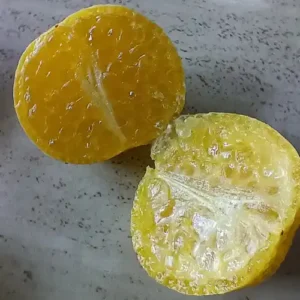
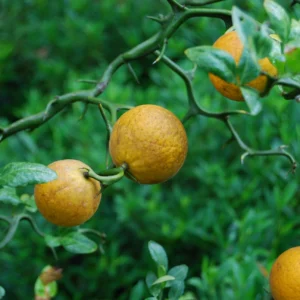
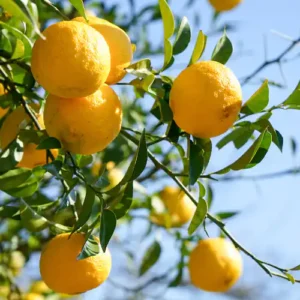
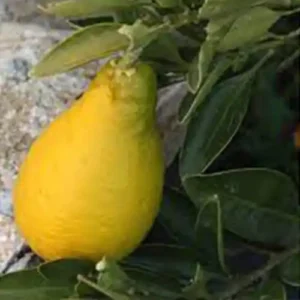
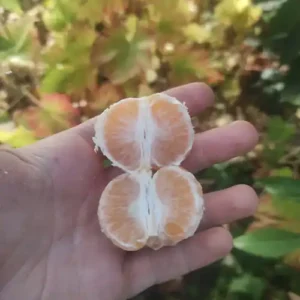
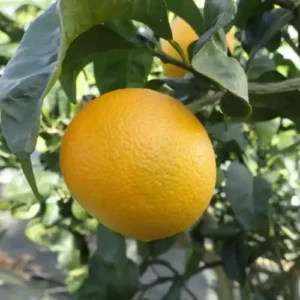
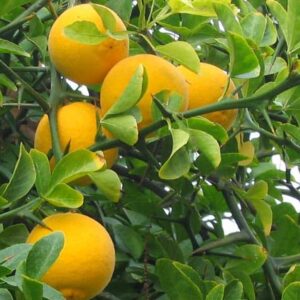
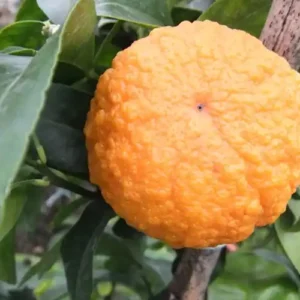
Owari Satsuma mandarin tree, a compact productive citrus with seedless, very juicy fruit harvested in October.
Citrus trees (cold hardy)
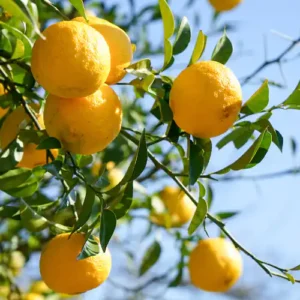
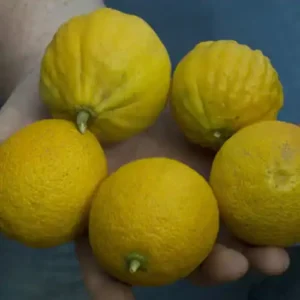
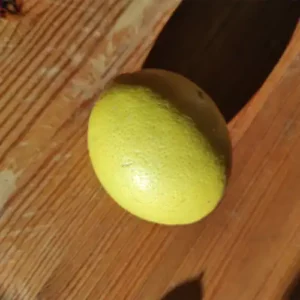
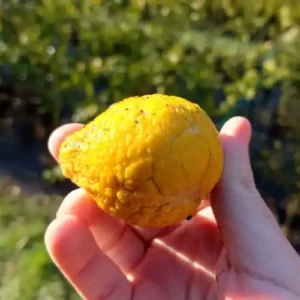
Cold-hardy citrus trees: successful planting comes before variety selection
A cold-hardy citrus tree should not be treated as a plant that can be placed anywhere and at any time of year. The cultivar determines part of its cold tolerance, but success also depends on the age of the plant, the rootstock, the maturity of the wood, soil drainage, wind exposure and the local microclimate.
In colder European regions, we recommend planting container-grown citrus trees in spring, once the main risk of late frost has passed. A young plant that is already in leaf or has begun growing under nursery protection is much more vulnerable than a mature, fully dormant tree.
Prepare the site before planting. Cultivate a sufficiently wide area, create a fine but well-aerated soil structure, remove perennial weeds and wait until the ground has begun to warm. A root ball removed from its pot establishes poorly when placed in cold, compacted or waterlogged soil.
After planting, keep the area around the tree free from grass and weeds. Monitor moisture throughout the first year and water whenever rainfall is insufficient, including several months after planting.
A quoted hardiness temperature normally refers to a mature, well-rooted and fully dormant tree exposed to cold for a limited period. It is not a guaranteed survival temperature for a young plant recently removed from its pot.
A young citrus tree is less cold-hardy than a mature tree
The cold tolerance of a citrus tree generally improves during its first years of establishment. The cultivar does not become genetically hardier, but an older tree possesses more mature wood, greater reserves, a larger root system and a canopy capable of creating a more sheltered microclimate.
A young tree has thin shoots, little old wood and roots still concentrated within the former potting medium. Cold can therefore reach the trunk, graft union and newly established root system much more rapidly.
Young citrus plants also frequently produce late, soft growth. These water-rich tissues are far more vulnerable to frost than properly matured branches.
A mature tree may lose leaves and shoot tips without being destroyed. On a very young plant, the same frost may damage the trunk or kill the entire grafted portion.
The first years should therefore be treated as a period of establishment and acclimatisation. Temporary winter protection does not necessarily mean that the tree will require the same level of protection throughout its life.
How should a citrus hardiness temperature be interpreted?
A statement such as “hardy to −12°C” or “tolerates −15°C” simplifies a much more complex reality. Two cold events reaching the same minimum temperature can cause very different levels of damage.
A short frost occurring after several weeks of cool weather is generally better tolerated than a sudden temperature fall following a mild autumn. Frost duration, wind, soil moisture and the temperatures experienced during the preceding days all influence the response of the tree.
A dehydrated tree, a recently fertilised plant, a citrus still producing soft growth or a tree carrying a heavy crop will generally be less resistant than a healthy and fully acclimatised specimen.
Temperatures tolerated by an old trunk do not necessarily describe the sensitivity of leaves, fruit, flowers or young shoots. These organs may be damaged several degrees before the permanent structure of the tree is threatened.
Hardiness figures should therefore be used to compare cultivars and assess their potential, not as exact thresholds below which damage is guaranteed or above which the tree is completely safe.
Site selection is critical for cold-hardy citrus
In cool climates, a distance of only a few metres may separate a position where a citrus tree fruits regularly from one where its shoots freeze almost every winter.
Choose a bright, warm position protected from cold winds and located outside low areas where cold air collects. A gentle slope, enclosed courtyard or slightly elevated site normally offers greater security than a frost pocket in the middle of an open plot.
A south-, south-east- or south-west-facing wall absorbs heat during the day and releases part of it at night. It can also shelter the tree from prevailing winds.
The wall should not place the citrus in a permanently shaded and damp corner. Adequate air circulation remains necessary so that foliage can dry and the soil does not remain continuously saturated.
Cold easterly and northerly winds can cause severe dehydration when the soil is cold or frozen while evergreen leaves continue to lose water. A hedge, building or permeable fence can reduce exposure without creating a completely enclosed frost pocket.
In the coldest situations, reserve the best microclimates for satsumas, kumquats and citrus cultivars intended for fresh eating. Very hardy hybrids may tolerate a less favourable position, but their fruit will still benefit from warmth and sunlight.
Plant in spring after the main risk of frost
For a citrus tree supplied in a container, we recommend planting in spring once the main late frosts have passed and the soil has started to warm.
A plant that has produced new leaves under glass or shelter does not immediately possess the resistance of a tree that remained outdoors throughout winter. Soft new growth may be destroyed by even a light frost during the days following planting.
Waiting to plant does not mean keeping the citrus in a heated room. The container should remain in a bright, cool position protected from severe frost, and the plant should be gradually acclimatised to direct sunlight and wind before final planting.
Planting in late summer or autumn leaves little time for the roots to colonise the surrounding soil before winter. It may also encourage late growth that will not mature sufficiently before frost.
Spring planting gives the young tree a complete growing season in which to establish roots, mature its wood and build reserves before its first winter in the ground.
Prepare finely cultivated, warm and well-drained soil
Loosen the soil over an area considerably wider than the diameter of the pot. New roots must be able to leave the original root ball quickly and grow into the surrounding ground.
Work the soil only once it has drained sufficiently. Clay cultivated while sticky forms compact blocks and glazed surfaces that later restrict water movement and root penetration.
Finely cultivated soil does not mean reducing the ground to dust. The aim is a crumbly and aerated structure without large compact clods around the root ball.
Remove couch grass, bindweed and other perennial weeds before planting. Their roots become much more difficult to remove once the shallow citrus roots have begun spreading through the area.
Avoid filling the planting hole with potting compost that differs greatly from the surrounding soil. This isolated pocket may collect water in winter or encourage roots to remain confined instead of entering the garden soil.
In heavy ground, improvement must concern the wider planting area and the general movement of water. A simple layer of gravel at the bottom of the hole does not correct a naturally waterlogged soil.
How should a grafted citrus tree be planted?
Water the root ball before removing the pot. It should be evenly moist but not saturated at planting time.
Examine the outer roots. Where they circle tightly around the root ball, loosen them carefully so that they can begin growing outwards.
Position the top of the root ball level with the surrounding ground, or slightly above it in heavy soil. Never bury the trunk more deeply than it stood in the pot.
The graft union must remain clearly above soil level. Burying it increases the risk of collar disease and may allow the grafted cultivar to form its own roots above the rootstock.
Backfill with the prepared soil, firm moderately to remove large air pockets and then water thoroughly to settle the soil around the roots.
Do not place fresh manure, concentrated fertiliser or a large quantity of rich compost directly against the root ball. A high concentration of salts can damage new roots and stimulate soft, frost-sensitive growth.
In an exposed site, install a stake that stabilises the root ball without holding the trunk completely rigid. Check regularly that the tie is not cutting into the bark.
Keep the area weed-free during establishment
Grass competes strongly with a young citrus tree for water and nutrients. This competition is particularly important because many new roots remain close to the surface.
Maintain a broad weed-free area rather than clearing only a small circle corresponding to the original pot.
An organic mulch can be added after the soil has warmed. It reduces evaporation, suppresses weeds and protects shallow roots from rapid temperature fluctuations.
Do not pile mulch against the trunk or cover the graft union. The bark and root collar must remain visible and able to dry after rain.
Avoid deep cultivation close to the tree. Shallow hoeing is safer than digging or using a rotary cultivator that may cut the roots.
Water when necessary throughout the first year
Watering should not stop after the first few weeks. For several months, much of the root system remains within the former potting medium, which may dry faster than the surrounding soil.
Monitor moisture throughout the first growing season and water whenever rainfall is insufficient. Frequency depends on soil type, heat, wind and the development of the tree.
Each watering should moisten both the original root ball and the surrounding soil. Repeated small surface applications encourage shallow rooting and may leave the centre of the root ball dry.
The soil should remain evenly moist but never permanently saturated. Citrus trees suffer both from drought and from a lack of oxygen around their roots.
Water remains particularly important in late summer. A tree weakened by severe drought prepares less effectively for winter and becomes more vulnerable to cold.
As autumn approaches, keep the tree adequately hydrated without stimulating new growth through excessive watering or late applications of nitrogen.
Allow the wood to mature before winter
Cold resistance is not constant throughout the year. It increases gradually as the days shorten and temperatures decline.
This acclimatisation alters the water content, sugars and other protective compounds within the tissues.
A gradually cooling autumn usually promotes better hardening. A sudden temperature fall after several mild weeks may cause damage at a temperature the cultivar would normally tolerate later in winter.
Late nitrogen applications, severe pruning and excessive watering that stimulates fresh growth can delay the maturation of the wood.
A green and tender shoot may freeze while the older branch carrying it remains alive. The objective in late summer is therefore not maximum growth, but the correct maturation of the existing tissues.
What is included in the cold-hardy citrus category?
The expression “cold-hardy citrus” does not describe a single botanical species. It covers species, cultivars and hybrids capable of tolerating more cold than the lemons, limes and sweet oranges traditionally associated with Mediterranean climates.
Some are evergreen citrus types, including satsumas, kumquats, yuzus and papedas. Others originate from crosses involving trifoliate orange, a deciduous relative with exceptional cold resistance.
These crosses have several objectives: increasing hardiness, advancing fruit maturity, improving winter dormancy or producing aromatic fruit suitable for cooking and processing.
The result is not always a fruit intended for eating fresh. Some highly hardy hybrids are mainly valuable for juice, zest, marmalade, drinks, culinary preparations or use in further breeding.
As a general rule, the more closely the desired fruit must resemble a conventional sweet orange or dessert mandarin, the more important the planting position and protection of the young tree become.
Trifoliate orange: exceptionally hardy but different from a dessert citrus
Trifoliate orange, traditionally known as Poncirus trifoliata and now often included within or close to the genus Citrus, is a thorny shrub or small tree whose compound leaves fall during winter.
Its ability to enter a genuine dormant period and lose its foliage explains much of its exceptional cold resistance.
The yellow fruit is strongly aromatic but has a thick skin, numerous seeds, intense acidity and bitter or resinous compounds. It is not equivalent to an orange intended for fresh eating.
Trifoliate orange is principally used as a rootstock and as a parent of many cold-hardy citrus hybrids. It may also be grown for marmalade, processing, ornamental interest or as a defensive hedge.
The hardiness of an ungrafted trifoliate orange must not be attributed entirely to the cultivar grafted above it. A lemon grafted onto trifoliate orange remains a lemon in terms of the cold tolerance of its branches, even when the rootstock improves its general behaviour.
Yuzu, sudachi and other aromatic citrus
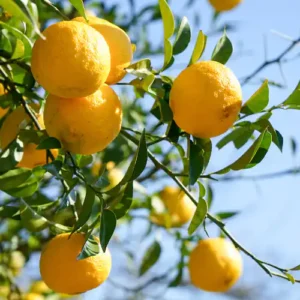
Yuzu is one of the best-known cold-hardy aromatic citrus fruits. Its rind is exceptionally fragrant and its acidic juice is used in sauces, drinks, desserts, preserves and savoury dishes.
The fruit normally contains many seeds and relatively little juice for its size. Its principal value lies in the strength and complexity of its aroma rather than its suitability for eating like a mandarin.
Sudachi produces smaller fruit that is normally harvested green for its strongly aromatic juice and zest. Its harvest stage and culinary use therefore differ from those of citrus intended to develop a fully orange peel.
Other Japanese and Asian citrus types such as kabosu, hanayu, yuko and various papedas or hybrids possess distinct aromas. Their names should not be treated as simple synonyms for yuzu.
These citrus trees are particularly suitable for gardens seeking unusual culinary fruit with better cold tolerance than a conventional lemon tree.
Ichang papeda and its hybrids
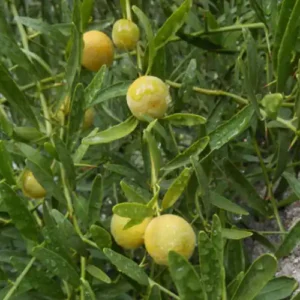
Ichang papeda, Citrus ichangensis, is among the most cold-resistant evergreen citrus species. It has been used in several breeding programmes intended for cool temperate regions.
Its fruit and that of its descendants may have thick skin, numerous seeds and marked acidity. Quality varies greatly between individual selections.
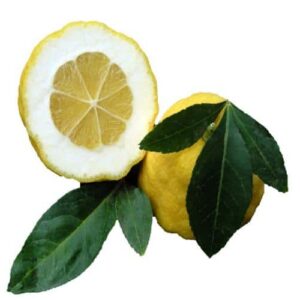
Some hybrids, including Ichang lemons, combine improved hardiness with larger fruit that is easier to use than that of the botanical species.
They are normally better suited to juice, zest and processing than to fresh consumption as dessert oranges.
The main interest of this group lies in its combination of useful cold adaptation, evergreen growth and often very intense citrus aromas.
Satsumas: among the best dessert citrus for cool climates
Satsumas, Citrus unshiu, belong to the mandarin group. They normally produce fruit that is easy to peel, sweet, relatively low in acidity and often seedless when isolated from compatible pollen sources.
They are among the most cold-resistant evergreen citrus trees grown for fresh eating. Their relatively low heat requirement and early maturity are as important as the hardiness of the tree itself.
In cold northern regions, satsumas should nevertheless be reserved for the warmest and best-protected sites. A mature established tree may survive conditions that would severely damage a recently planted young specimen.
Cultivars differ in ripening date, fruit size, peel quality and their tendency towards biennial bearing. An early satsuma generally has a better chance of ripening before severe winter frost.
The fruit can be damaged while the branches remain alive. A cultivar described as cold-hardy is therefore not necessarily capable of carrying ripe mandarins through the whole winter.
Kumquats: good winter dormancy but late-ripening fruit
Kumquats can slow their activity considerably during winter. This semi-dormancy gives them better cold tolerance than many lemons and sweet oranges.
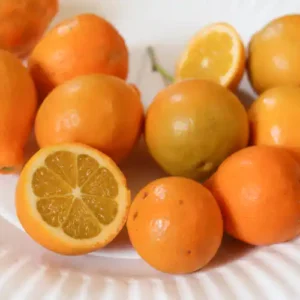
Their small fruit is normally eaten with the peel, whose sweet and aromatic flavour contrasts with the more acidic flesh.
Ripening often occurs late. The tree itself may therefore be reasonably hardy while the fruit remains exposed to winter frost.
In a cold region, choose a warm position and monitor maturity so that the fruit can be harvested before a freeze damages the flesh.
Kumquats should not be confused with citrangequats, orangequats and other hybrids, which may differ considerably in hardiness, fruit size and flavour.
Citranges, citrumelos and citrangequats
A citrange is generally a hybrid between trifoliate orange and sweet orange. A citrumelo results from a cross between trifoliate orange and grapefruit or pomelo, while a citrangequat combines a citrange with a kumquat.
These names describe the general ancestry of the hybrid, but do not reliably predict fruit quality. Two citranges may differ substantially in hardiness, bitterness, ripening date and suitability for eating.
Some hybrids remain bitter or resinous and are mainly useful for processing. Others can produce genuinely pleasant fruit when fully ripe or prepared appropriately.
Later generations and backcrosses may reduce undesirable trifoliate-orange characteristics while retaining part of its cold tolerance.
Each cultivar should therefore be described according to its actual qualities and uses rather than presenting every hardy hybrid as an equivalent substitute for an orange or mandarin.
Surviving winter and producing good fruit are different objectives
A citrus tree may survive each winter without ever producing fruit of good eating quality. Ripening requires warmth, sunlight and a sufficiently long growing season.
In cooler regions, an early-ripening cultivar is often more useful than an exceptionally hardy hybrid whose fruit remains very acidic until the middle of winter.
Aromatic citrus may sometimes be harvested before full maturity when green zest or particularly sharp juice is required. Dessert mandarins and oranges must instead accumulate sufficient sugar and lose part of their acidity.
Fruit is less frost-resistant than mature wood. A freeze may leave the pulp dry, watery or bitter without causing serious damage to the permanent structure of the tree.
When significant frost is forecast, it is often preferable to harvest sufficiently advanced fruit rather than leave it on the tree solely to obtain a deeper peel colour.
The rootstock influences hardiness but does not replace cultivar selection
Most selected citrus cultivars are grafted. The rootstock forms the roots and lower trunk, while the grafted cultivar determines the leaves, flowers and fruit.
The rootstock influences vigour, time to cropping, adaptation to soil, dormancy and, to some extent, the cold tolerance of the combined tree.
It does not transform a sensitive cultivar into a citrus as hardy as the rootstock itself. Branches above the graft union retain the genetic limits of the grafted variety.
When frost destroys the grafted portion, new shoots may emerge from the lower trunk or roots. Any shoot arising below the graft union belongs to the rootstock and will not produce the fruit of the purchased cultivar.
The identity of the rootstock is therefore important, but it must always be considered together with the cultivar and the soil.
Trifoliate orange as a rootstock
Trifoliate orange is particularly valuable in cool climates. It enters dormancy relatively early, encourages growth to stop before winter and can improve the cold behaviour of the grafted tree.
It generally suits non-calcareous soil that remains reasonably moist but drains correctly. It performs poorly in highly alkaline, saline or strongly chlorosis-inducing soils.
It normally moderates vigour compared with several rootstocks used in warm citrus regions and may encourage good fruit quality.
Its sensitivity to active lime must be taken seriously. A cold-hardy citrus grafted onto trifoliate orange may become chlorotic and grow poorly in highly calcareous soil, even when the grafted cultivar appears relatively tolerant.
‘Flying Dragon’ is a contorted and lower-vigour form of trifoliate orange. It can help restrict tree size, but its slower growth requires suitable soil and attentive establishment.
Citranges, citrumelos and other hybrid rootstocks
Citranges such as Carrizo and C-35 and citrumelos such as Swingle combine trifoliate orange with different evergreen citrus species.
They may provide greater vigour, improved adaptation to particular soils or different tolerance to root diseases.
Their cold resistance and ability to encourage dormancy are not identical to those of pure trifoliate orange. Some remain active later into autumn.
They also differ in their response to lime, excess moisture, drought and salinity. Rootstock selection should therefore be based on the actual soil rather than only on the speed of growth observed in the nursery.
In a northern planting, excessive vigour can become a disadvantage when it encourages late shoots and delays the maturation of the wood.
Drainage is as important as frost protection
Citrus trees need water during active growth, but their roots tolerate prolonged oxygen deprivation poorly.
Cold and waterlogged soil weakens the tree before severe frost even occurs. Damaged roots are less capable of supplying evergreen foliage that continues to lose water during winter.
Collar and root rots, including those associated with Phytophthora, are favoured by standing water and by burying the trunk too deeply.
In heavy soil, plant slightly raised and improve the general movement of water through the site. Avoid deep holes filled with potting compost, which may behave like water-holding basins.
Mulch reduces moisture fluctuations, but a thick layer against the trunk creates conditions favourable to bark and collar diseases.
Calcareous soils require particular attention
Many cold-hardy citrus trees are grafted onto trifoliate orange or hybrids containing trifoliate orange. These rootstocks may be highly sensitive to active lime.
Chlorosis appears as yellow leaves with greener veins, weak growth and short shoots.
Applying iron may temporarily improve the appearance of the foliage without correcting the underlying incompatibility between rootstock and soil.
In highly calcareous ground, choose a more suitable rootstock when available, create a genuinely modified growing volume or retain the plant in a large container.
Adding a small amount of citrus compost to the planting hole will not provide permanent protection once the roots reach the surrounding calcareous soil.
Protect young trees during their first winters
Temporary protection is particularly useful during the first years, until the tree has developed a thicker trunk and a well-established root system.
Give priority to protecting the base of the trunk, the graft union and the first main branches. Their survival allows the tree to rebuild a crown quickly after an exceptional frost.
Winter fleece can be placed around the tree during cold periods. It should extend towards the ground so that it retains part of the heat released by the soil.
Do not leave the protection tightly closed through long mild and damp periods. Open or remove it when temperatures rise to limit condensation and premature growth.
Avoid placing plastic directly against leaves. It provides poor insulation, collects condensation and can transfer cold rapidly to any tissue it touches.
Mulch can partially protect the roots, but it must not cover the trunk or hide the graft union.
What should be done after severe frost?
Leaves may curl, turn brown and fall during the days following a freeze. These symptoms do not immediately reveal the condition of the branches and trunk.
Do not carry out severe pruning in the middle of winter. Parts that appear dead may still contain living tissue, while some internal damage only becomes visible when growth restarts.
Wait until spring and the emergence of new shoots before determining the boundary between living and dead wood.
Remove dead sections back to healthy tissue. Clean or disinfect tools when suspicious lesions or sap exudation are present.
Observe where new growth originates. Any shoot emerging below the graft union belongs to the rootstock and should normally be removed when the grafted cultivar remains alive.
Container-grown citrus is much less hardy than citrus planted in the ground
Quoted hardiness temperatures almost always refer to trees planted in open ground. Roots in a container do not benefit from the thermal mass of the surrounding soil.
The root ball may freeze completely even when the branches would have tolerated the same air temperature in a garden.
A container exposed to wind also cools and dries rapidly. A young cold-hardy citrus should not be left unprotected solely because its label gives a low hardiness temperature.
Container plants can be overwintered in a bright, cool and unheated building, a cold greenhouse or another protected position where the root ball will not freeze deeply.
A warm, poorly lit room instead encourages weak growth, leaf fall and frequent outbreaks of scale insects or mites.
In spring, plants overwintered under cover should be gradually reacclimatised to sunlight and placed outdoors after the main risk of frost.
Are two citrus trees needed to obtain fruit?
Most cultivated citrus varieties can produce fruit as a single tree. Many have bisexual flowers and are self-fertile or capable of forming fruit without complete fertilisation.
The presence of another cultivar may nevertheless increase seed formation in varieties that are normally seedless or nearly seedless when grown in isolation.
Cross-pollination may also influence fruit set, but it is rarely the main difficulty in a cold garden.
Tree age, frost damage to flower buds, insufficient summer warmth, excessive vigour, irrigation and the maturity of the wood more often explain a lack of fruit.
Any specific pollination requirement should be assessed on the individual cultivar page rather than applied to the whole citrus category.
Peel colour alone does not prove that citrus fruit is ripe
Cool nights encourage citrus peel to change colour by breaking down its chlorophyll.
A fruit may therefore turn yellow or orange in a cold climate while its flesh remains highly acidic. Conversely, some citrus fruit remains partly green in warm conditions even when fully mature.
Maturity should be assessed according to the cultivar, season, ease of detachment, aroma and, above all, tasting.
Citrus fruit does not accumulate meaningful additional sugar after picking. Fruit harvested much too early may change colour or lose water, but it will not reach the same quality as fruit allowed to mature sufficiently on the tree.
Aromatic citrus such as yuzu, sudachi and kabosu may deliberately be harvested green when a different fragrance or sharper acidity is required.
Fertilise without encouraging late growth
Citrus trees retain their leaves and require regular nutrition during active growth, but excessive fertilisation makes them neither hardier nor more productive.
Too much nitrogen produces long, soft shoots, delays their maturation and increases the amount of vulnerable growth exposed to frost.
Do not place concentrated fertiliser in the planting hole. Wait until the tree has begun to establish and produce normal growth.
In cold regions, concentrate feeding in spring and early summer. Avoid strongly stimulating growth from late summer onwards.
Yellow foliage does not always indicate a simple lack of fertiliser. Cold or saturated soil, excessive lime and damaged roots can prevent the absorption of nutrients that are already present.
Light pruning is usually preferable
Citrus trees do not require annual pruning comparable with that given to apple trees or grapevines. Their evergreen canopy protects the wood and creates a sheltered environment around the branches.
In cold climates, retain a relatively low and well-branched form. A compact crown is easier to protect than a tall standard and gives the tree more opportunities to recover after frost damage.
Remove dead wood, badly crossing branches, shoots growing into the centre and any growth produced by the rootstock.
Carry out the main corrections in spring, after the risk of severe frost and once the true condition of the wood is visible.
Avoid severe pruning in late summer, as it frequently produces new shoots that will not mature before winter.
Are cold-hardy citrus trees resistant to disease?
Cold tolerance does not mean general resistance to disease. A hardy citrus may still be vulnerable to root problems, scale insects, aphids and diseases affecting the bark or collar.
In cool climates, collar and root rots are often a greater risk than leaf diseases. Drainage and correct planting depth should therefore receive priority.
Plants overwintered under cover are more exposed to scale insects, whitefly and mites, particularly in warm, dry and poorly lit conditions.
Damaged or falling leaves after winter do not automatically indicate disease. Frost, wind, a dry root ball and waterlogged roots can produce similar symptoms.
A diagnosis should consider the position of the damage, root condition, recent weather and whether new shoots originate above or below the graft union.
Which citrus tree should you choose?
For maximum cold resistance
Choose trifoliate orange or hybrids containing a substantial proportion of trifoliate-orange ancestry. Check carefully that the quality and intended use of the fruit meet your expectations.
For aromatic culinary fruit
Yuzus, sudachis, kabosus, papedas and Ichang lemons provide highly aromatic zest and juice, usually with better cold tolerance than conventional lemon trees.
For fruit that can be eaten fresh
In the best microclimates, choose early satsumas, selected kumquats and hybrids whose dessert quality has been clearly documented.
For a small garden
Choose a cultivar of moderate vigour, possibly grafted onto ‘Flying Dragon’, and retain a low form that is easy to protect and harvest.
For heavy soil
The first consideration is drainage. Plant slightly raised and choose a suitable rootstock rather than assuming that cold hardiness also means tolerance of standing water.
For calcareous soil
Check the rootstock carefully. Pure trifoliate orange can develop severe chlorosis in soil containing high levels of active lime.
For container growing
Most citrus trees can be grown in containers, but root hardiness becomes much lower. Plan for bright, cool winter storage protected from deep freezing.
Frequently asked questions about cold-hardy citrus trees
When should a container-grown citrus tree be planted?
Plant in spring after the main risk of late frost, once the soil has drained sufficiently and begun to warm.
Why is autumn planting risky in cold regions?
The young tree has little time to establish before winter and may produce late growth that has not matured properly. Spring planting provides a complete season for establishment.
Should the soil be prepared before planting?
Yes. Prepare a broad, crumbly, well-drained and weed-free area so that the roots can leave the original root ball quickly.
Should the tree be watered throughout its first year?
Yes, whenever rainfall is insufficient. The former potting medium may dry quickly even when the surrounding soil still appears moist.
Will a citrus labelled hardy to −15°C tolerate that temperature immediately after planting?
No. The figure normally refers to a mature, well-rooted, dormant and acclimatised tree. A young leafy plant may be damaged at a much higher temperature.
Why is a mature citrus tree more resistant?
It has more mature wood, greater reserves, more roots and a canopy capable of retaining some warmth. Partial shoot loss is also less likely to threaten the whole tree.
What is the best planting position?
Choose a sunny, warm site protected from cold winds and outside frost pockets. A well-exposed wall can provide a significant advantage.
Does trifoliate-orange rootstock make any citrus completely hardy?
No. It can improve dormancy and general behaviour, but the grafted cultivar retains its own sensitivity to cold.
What happens if the tree regrows below the graft union?
The shoot belongs to the rootstock and will not produce the fruit of the cultivar originally purchased.
Can a citrus tree be planted deeply for better winter protection?
No. The root collar and graft union must remain above soil level. Deep planting increases the risk of rot and decline.
Can citrus trees grow in clay soil?
Yes, provided water drains correctly. Slightly raised planting is often preferable in heavy ground.
Do cold-hardy citrus trees tolerate lime?
It depends mainly on the rootstock. Trifoliate orange and several of its hybrids may be highly sensitive to active lime.
Should the tree be protected during its first winters?
This is advisable in cold regions. Protect the trunk, graft union and young crown during the most severe cold events.
Can winter fleece remain closed around the tree all winter?
It is better used during cold periods and opened during mild weather. Permanently closed protection encourages condensation and premature growth.
Should frost-damaged branches be pruned immediately?
No. Wait until spring growth begins so that living and dead wood can be identified reliably.
Is a citrus tree in a pot as hardy as one planted in the ground?
No. The roots inside the container may freeze completely. Protect the pot or move it to a bright and cool frost-protected place.
Are two citrus trees required for fruit production?
Usually not. Most cultivated varieties can produce fruit alone, although cross-pollination may affect seed content or fruit set.
Why is the peel orange while the flesh remains acidic?
Cool nights can colour the peel before the flesh has completed ripening. Tasting is more reliable than peel colour alone.
Do citrus fruits ripen after picking?
They may lose water or change appearance, but they do not accumulate significant additional sugar. Fruit picked much too early will remain inferior.
Which cold-hardy citrus can replace a conventional lemon?
Yuzu, Ichang lemon and other aromatic hardy citrus can provide juice and zest, but their flavour, seed content and culinary use differ from those of a conventional yellow lemon.
Which cold-hardy citrus is best for fresh eating?
Early satsumas and selected kumquats are among the best candidates, provided that a particularly favourable position is available.
Why do the leaves turn yellow after planting?
Possible causes include excess water, cold soil, a dry root ball, active lime, root damage or a transition from shelter to outdoor conditions that was too abrupt.
Why should nitrogen fertiliser be avoided in late summer?
It can stimulate tender new shoots that will not have time to mature before the first frosts.