Apple trees
Apple trees
Apple trees
Apple trees
Apple trees
Apple trees
Apple trees
Apple trees
Apple trees
Apple trees
Apple trees
Apple trees
Apple trees
Apple trees
Apple trees
Apple trees
Apple trees
Apple trees
Apple trees
Apple trees
Apple trees
Apple trees
Apple trees
Apple trees
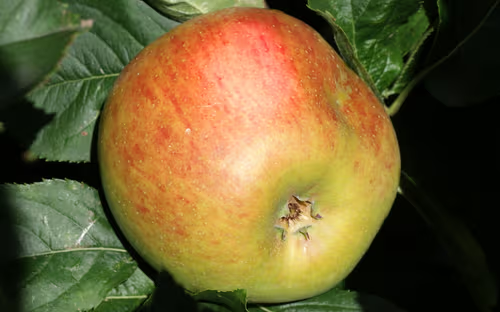
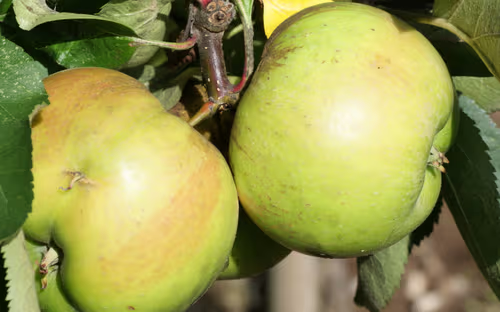
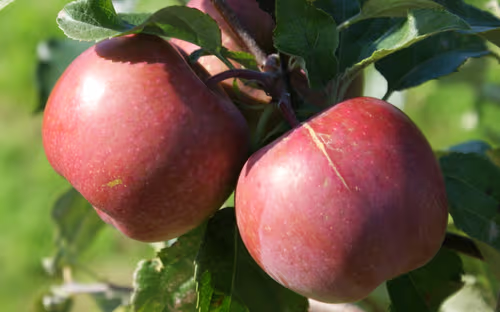
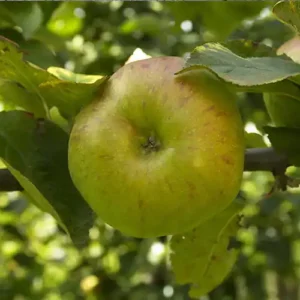
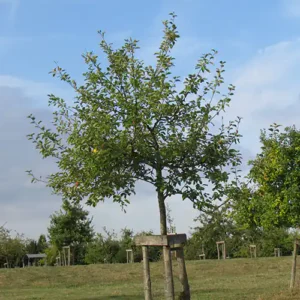
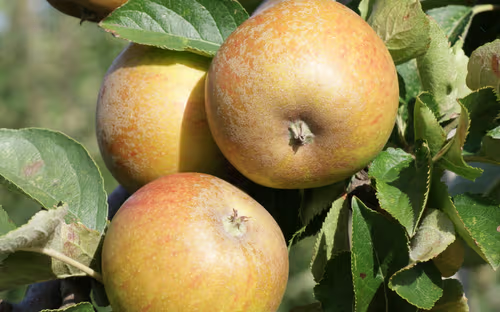
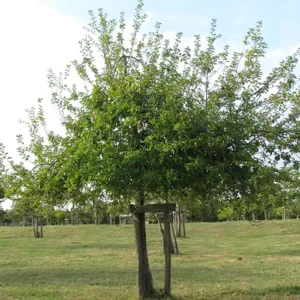
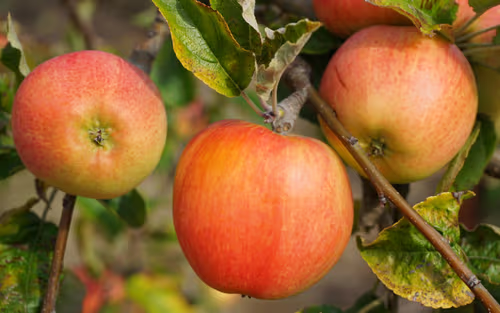
À Côtes apple tree, a strongly flavoured sweet-sharp apple, picked in late September and stored until January.
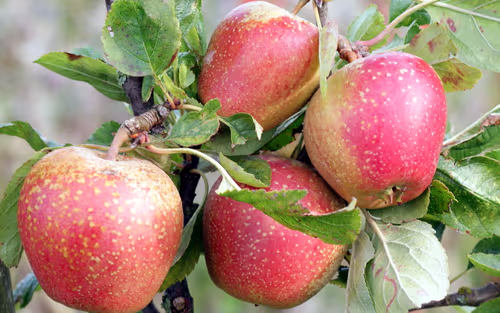
Apple trees
Apple trees
Apple trees
Apple trees
Apple trees
Apple trees
Apple trees
Apple trees
Apple trees
Apple trees
Apple trees
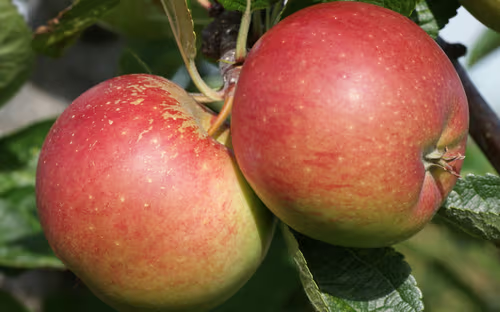
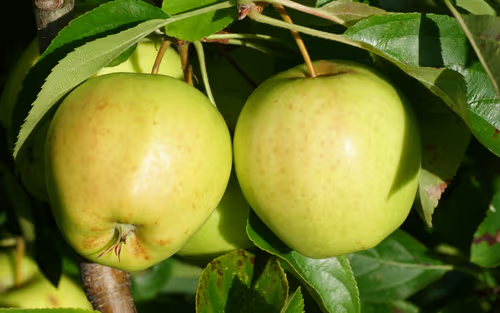
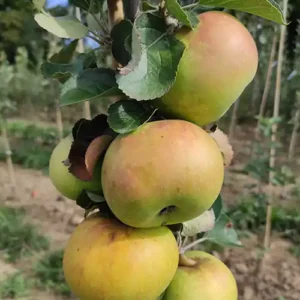
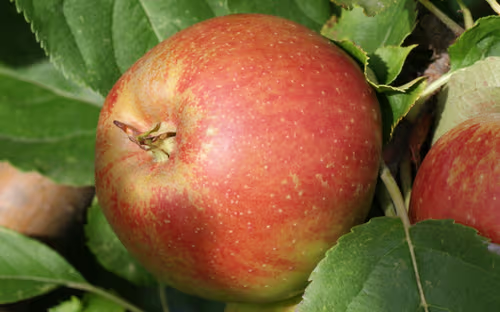
Belle Fleur Double apple tree, with large sweet, slightly sharp apples for juice, cooking and fresh eating, harvested in October.
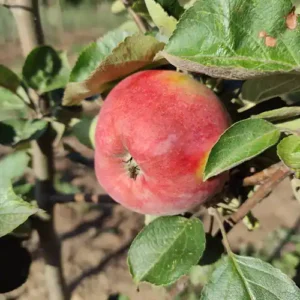
Dessert apple trees: choosing by flavour and eating season
Dessert apples, also known as fresh-eating apples, are cultivars selected primarily for eating raw. Their fruit may be crisp or melting, sweet or sharp, exceptionally juicy, richly aromatic, spicy, honeyed or slightly tannic.
The appearance and size of the fruit should not be the only criteria. A large, highly coloured apple is not necessarily more enjoyable than a smaller heritage cultivar with a complex flavour.
Texture, aroma, the balance between sugar and acidity, harvest season, eating period and storage potential are usually more useful characteristics when choosing a variety.
It is also important to distinguish the picking date from the best eating period. Some summer apples are ready to eat immediately, while many autumn and winter cultivars improve after several weeks of storage.
Summer, autumn and storage apples
Summer apples
Early cultivars provide the first apples of the season. They are often juicy, fragrant and enjoyable directly from the tree, but their flesh may soften quickly.
They should generally be eaten, cooked or processed within a few days or weeks of harvest. They are not intended for storage throughout winter.
Autumn apples
Autumn cultivars offer a particularly wide range of flavours and textures. Some are at their best immediately after picking, while others benefit from resting for several days or weeks.
Their storage life may range from a few weeks to several months, depending on the cultivar and storage conditions.
Winter and storage apples
Storage cultivars are often picked while still firm, acidic or relatively rich in starch. Their texture and aroma continue to develop after harvest.
Some varieties only become truly enjoyable several weeks later. When tasted too early, they may seem hard, sharp or poorly flavoured, even though they will reach excellent quality during winter.
A long theoretical storage period is not guaranteed. It depends on the cultivar, the exact picking stage, fruit condition and the temperature and humidity available during storage.
Useful characteristics when choosing a dessert apple
Texture
Apple flesh may be exceptionally crisp and firm, fine and melting, tender, dense or slightly coarse.
Gardeners who enjoy a crunchy, juicy apple will not necessarily choose the same cultivars as those who prefer softer and more melting flesh.
Texture also changes during storage. Some apples remain firm for months, while others quickly become soft, mealy or dry.
The balance between sugar and acidity
A high sugar content does not automatically produce a well-balanced apple. A very sweet cultivar may taste flat when it lacks sufficient acidity.
Conversely, an apple that is very sharp at harvest may become exceptionally balanced after several weeks of storage.
The perception of sweetness therefore depends on both sugar and acidity. It is also influenced by crop load, sunlight, climate and maturity.
Aroma
Apples can develop floral, aniseed, musky, spicy, honeyed, wine-like or citrus aromas. Some suggest pear, nuts or red berries.
These characteristics are generally strongest when the fruit is harvested and eaten at the correct stage.
An apple picked too early may remain crisp but have little aroma. One harvested too late may be sweeter but lose its freshness and firmness.
Storage potential
For regular family consumption, it is more useful to combine several ripening periods than to plant only cultivars harvested in September.
A small collection might include one summer apple, several autumn cultivars and one or two genuine storage apples capable of extending the season into winter.
Disease resistance
Susceptibility to apple scab, canker, powdery mildew and storage diseases varies greatly between cultivars.
An excellent-tasting apple that is regularly damaged before harvest may prove difficult to grow or store without appropriate management.
In a garden or orchard receiving few treatments, reliable disease behaviour should be considered alongside flavour, fruit size and storage life.
When should dessert apples be picked?
An apple intended for immediate eating can generally be harvested at a more advanced stage than fruit that must remain in storage for several months.
For long storage, pick once the fruit has reached physiological maturity but before it begins to soften or fall in large numbers.
Fruit harvested too early remains hard, acidic, starchy and poorly aromatic. It may shrivel during storage without developing its expected flavour.
Fruit harvested too late is more vulnerable to bruising, storage rots and internal disorders. Its keeping period is shortened, even when it tastes excellent at picking time.
The date indicated for a cultivar is only an approximate period. Maturity may move forwards or backwards according to the country, region, exposure, crop load, rootstock and temperatures during the season.
View the apple harvest calendar
Harvest dates should be confirmed by observing the fruit itself. The same cultivar does not ripen on exactly the same date in every European climate.
Simple ways to assess apple maturity
Observe the background colour
Red skin is not always a reliable indicator, as some apples develop their red colour several weeks before maturity.
Pay particular attention to the background colour between the red areas. In many cultivars, it changes gradually from dark green to lighter green, greenish yellow or yellow.
Check how easily the fruit detaches
Hold the apple in the palm of your hand, lift it gently and give it a slight twist.
When mature, the stalk normally separates from the branch relatively easily. Do not pull the fruit downwards, as this can tear out the stalk, break the fruiting spur and damage future flower buds.
Taste several representative apples
Pick fruit from different parts of the tree. The flesh should begin to express the characteristic flavour of the cultivar and lose its strongly green or starchy taste.
A storage apple may still be firm and sharp, but it should be becoming juicy and should no longer taste completely immature.
Examine the seeds without relying on them alone
Apple seeds generally become brown as maturity approaches. Their colour is a useful indication but not conclusive proof, as seeds may darken earlier or later according to the cultivar and season.
The starch-iodine test
A starch-iodine test can show the progressive conversion of starch into sugars. When a cut apple is exposed to iodine solution, areas still containing starch become dark, while areas where the starch has disappeared remain pale.
This test is mainly useful for comparing several dates on the same cultivar. There is no single result suitable for every apple variety.
Why should some apple trees be picked in several rounds?
Apples on the same tree do not always ripen simultaneously. Flowers opened over several days, and fruit exposed to sunlight on the outside of the crown may develop faster than shaded fruit.
Selective picking means harvesting only the apples that have reached the correct stage, then returning several days later for the remaining fruit.
Two or three picking rounds may be necessary for summer apples, cultivars prone to fruit drop and trees with uneven maturity.
Harvesting the whole tree at the first visit produces a mixture of mature apples and fruit that is still too green.
Waiting until the last apples are ready may instead allow the first fruit to become overripe, soft or fallen.
Begin with the best-exposed fruit and assess its background colour, flavour and ease of detachment. Leave apples that still resist firmly or remain very green.
How to pick apples without damaging them
Harvest during dry weather, preferably when the fruit is not covered with dew and has not become excessively warm in strong sunlight.
Hold each apple in the palm of your hand without squeezing it with your fingers. Lift it gently and detach it with its stalk.
Even light pressure can create a bruise that only becomes visible several days later.
Place the fruit carefully into a shallow container. Do not throw apples into buckets or empty them roughly into crates.
Separate fallen, split, bruised, insect-damaged and stalkless fruit. It may still be eaten or processed quickly, but it should not be mixed with apples intended for storage.
Sort apples before storage
Sorting begins at harvest. Reserve healthy, firm and undamaged fruit with intact stalks for long-term storage.
A small wound can become the starting point for rot. One deteriorating apple can then contaminate neighbouring fruit.
Separate apples by cultivar and picking date. Storage life varies greatly, and mixing varieties makes it difficult to know which fruit should be eaten first.
The largest apples are sometimes more difficult to store than medium-sized fruit, particularly when their flesh is more advanced or prone to internal disorders.
Place very large fruit and any apples with minor imperfections in a batch that will be checked and eaten first.
Storing apples at home
Apples keep best in a cold, humid, dark and ventilated environment. For a small quantity, a refrigerator generally provides the most consistent conditions.
A temperature of approximately 1 to 4°C slows respiration, softening and the development of many storage fungi. The fruit must not be allowed to freeze.
Place apples in the vegetable compartment, perforated bags or slightly open containers so that humidity remains relatively high without creating permanent condensation.
A cellar, store room or garage may be suitable when the temperature remains low and reasonably stable. A building regularly heated above 10°C will only provide short-term storage.
Arrange the fruit in shallow layers without compression. Paper, trays or moulded fruit inserts can reduce contact and make inspection easier.
Check stored apples every week. Remove any fruit that softens, develops a mark or begins to rot.
Eat the earliest cultivars and the ripest batches first. True winter apples should be monitored until they reach their optimum eating quality.
Why should apples be stored separately from other produce?
Apples release ethylene, a natural gas involved in fruit ripening. In an enclosed space, it can accelerate the ageing of the apples themselves and of certain vegetables stored nearby.
Avoid storing large quantities of apples for long periods beside produce that is particularly sensitive to ethylene. Good ventilation reduces its accumulation in a cellar or fruit store.
Apples also release aromas and can absorb external odours. Do not store them near fuel, paint, plant protection products, rotting potatoes or other strongly scented materials.
Some apples improve during storage
After harvest, starch continues to change, acidity gradually decreases and aromas continue to develop. A genuine storage apple can therefore become sweeter and more fragrant after several weeks.
This development should not be confused with unlimited improvement. After reaching its optimum, the apple begins to lose firmness, acidity and juice before becoming mealy or vulnerable to rot.
Taste several fruits regularly to identify the best eating period. Record the picking and tasting dates for each cultivar, as these observations will be particularly useful in future seasons.
Pollination and cultivar selection
Most dessert apple trees crop more reliably when another genetically different cultivar flowers at a compatible time.
Check the flowering period, ploidy and pollen fertility of each cultivar rather than relying only on the general flowering group.
A triploid cultivar can produce excellent apples, but its pollen is generally of poor fertility. Where the trees depend on one another for pollination, a triploid should be accompanied by two compatible diploid cultivars.
The most useful combination includes compatible flowering periods and different eating seasons. It ensures pollination while extending the harvest from summer into winter.
A flowering crab apple may also provide useful pollen when it flowers at the correct time and grows sufficiently close to the fruiting trees.
Which dessert apple tree should you choose?
For apples that can be eaten directly from the tree, choose a summer or early-autumn cultivar with good eating quality immediately after harvest.
For fruit that can be kept during winter, choose a genuine storage cultivar and make sure that a refrigerator, cold cellar or suitable fruit store is available.
For distinctive flavours, explore sharp, spicy, musky, nutty or lightly tannic heritage cultivars.
For children or anyone who prefers mild fruit, choose a sweet, juicy and relatively low-acid cultivar.
For a garden or orchard receiving few treatments, give particular attention to resistance or tolerance to apple scab, canker, powdery mildew and storage diseases.
Plant several ripening periods rather than several varieties that all mature at the same time. This allows each cultivar to be harvested and eaten at the stage that suits it best.
Frequently asked questions about dessert apple trees
How can I tell whether an apple is ripe?
Consider the usual season of the cultivar, the development of its background colour, its flavour and how easily it detaches when gently lifted and turned.
Does red skin mean that an apple is ripe?
Not necessarily. Some apples become red long before they are mature. Observe the background colour between the red areas.
Why should an apple tree sometimes be picked in several rounds?
Fruit exposed to sunlight and fruit developing from the first flowers may ripen before apples in shaded parts of the crown. Several rounds allow each fruit to be picked at the correct stage.
How should an apple be detached without damaging the tree?
Hold it in the palm of your hand, lift it and give it a slight twist. Do not pull downwards, as this may break the fruiting spur.
Must the seeds be completely brown?
Brown seeds are a useful sign but not sufficient proof of maturity. Combine this observation with background colour, flavour, firmness and ease of detachment.
Does an apple continue to ripen after picking?
Yes. Apples continue to respire and change after harvest. Genuine storage cultivars may become sweeter and more aromatic during storage.
Why do my apples shrivel without becoming pleasant to eat?
They may have been harvested too early or stored in an atmosphere that was too dry. An immature apple does not always develop its flavour correctly after harvest.
Can apples be stored in a garage?
Yes, when the garage remains cold, dark, ventilated and frost-free. Warm or highly variable temperatures greatly reduce storage life.
Should apples be washed before storage?
No. Store dry, healthy fruit and wash it before eating. Persistent surface moisture encourages rots.
Can fallen apples be stored?
They are usually bruised and keep poorly. Use sound fallen fruit quickly for cooking or processing, but do not mix it with the main storage batch.
What temperature is suitable for storing apples?
A temperature close to that of a refrigerator, generally between 1 and 4°C, suits most cultivars provided that the fruit does not freeze.
Why are some apples better after several weeks?
During storage, starch changes, acidity evolves and aromas develop. True storage apples are often intended to be eaten only after this period.
Do I need two dessert apple trees?
Not always, because a suitable apple or crab apple may already grow nearby. However, planting compatible cultivars generally improves pollination and cropping regularity.
Can two trees of the same variety pollinate each other?
No. Trees carrying the same named cultivar are genetically identical and do not provide effective cross-pollination.
Which apple tree is suitable for a small garden?
Choose a suitable cultivar grafted onto a low- or medium-vigour rootstock. Also consider trained forms such as cordons, espaliers or compact bush trees.